
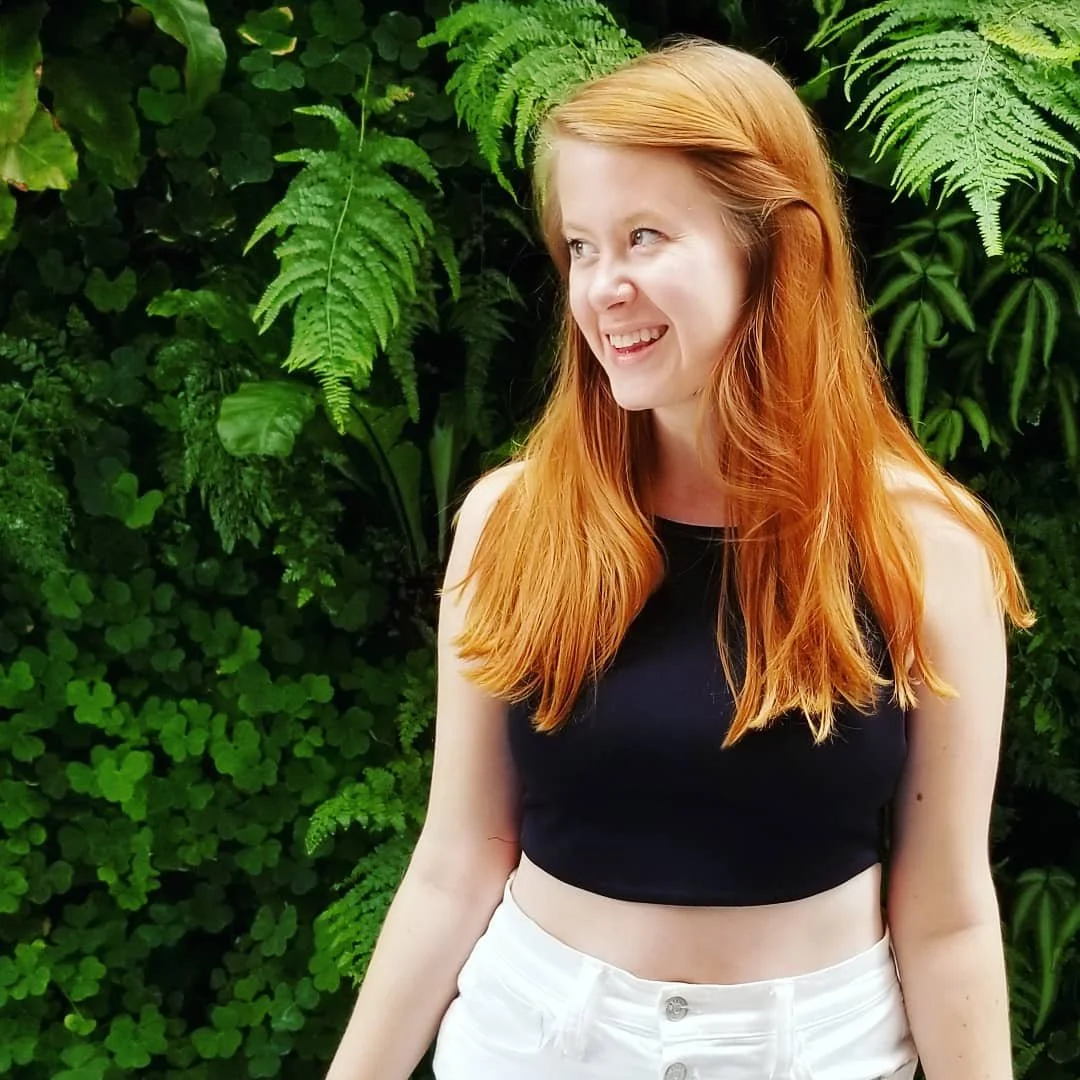
Manager Spotlight: Maris Feeley!
Hey Flowgis! Meet Maris! Maris has been on board for nearly a year, starting as a Karma Yogi, then promoted to Manager and Senior Manager with the HR Team! Maris is truly a rockstar, and we so love having her on the team. Read more about her below, and say hi and congrats on her upcoming nuptials if you see her around the studio!
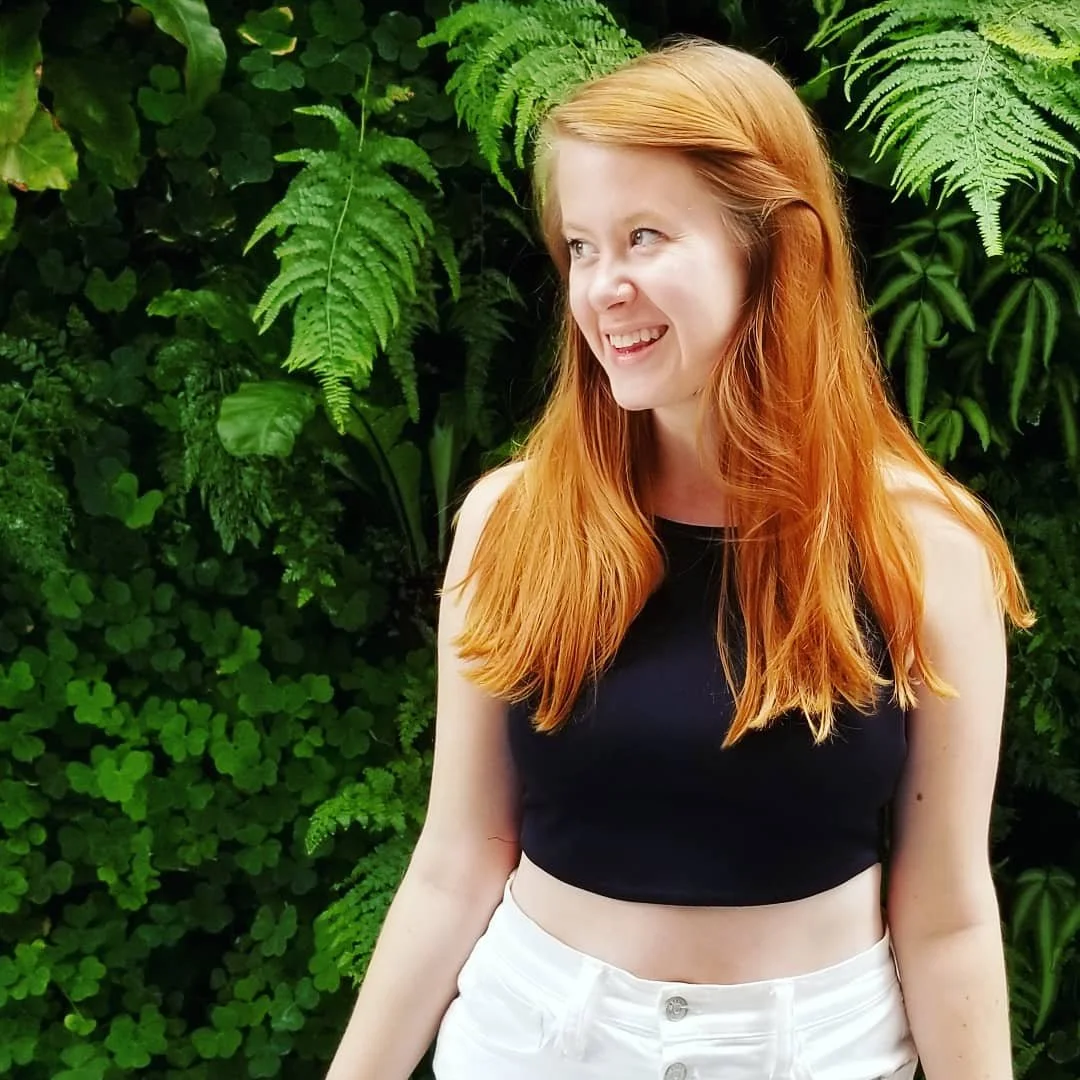
Hey Flowgis! Meet Maris! Maris has been on board for nearly a year, starting as a Karma Yogi, then promoted to Manager and Senior Manager with the HR Team! Maris is truly a rockstar, and we so love having her on the team. Say hi and congrats on her upcoming nuptials if you see her around the studio!
What inspires you to practice at Flow?
I'm continuously inspired by Flow's inclusive & diverse community, from the classes we offer to my fellow yogis.
What was your first yoga experience like?
I first stepped onto a mat in 2013, and it was the honestly the first time I'd ever felt my brain go quiet :) It cut through the noise of everything I had going on and grounded me in a way that has now become necessary!
Who are some of your most influential teachers?
I love Clare for helping me see yoga in so many different ways; every time I take a class with her, I discover something new about the way my body can move!
What is something the Flow community may not know about you?
I'm currently working on becoming a full-spectrum doula. Right now, I'm a practicing abortion doula, but I hope to be trained in birth & death doula work by the end of the year.
Anything else you would like to share?
If you see me around the studio, stop & say hi! I'm around quite a lot and I love to get to know our Flowgis :)
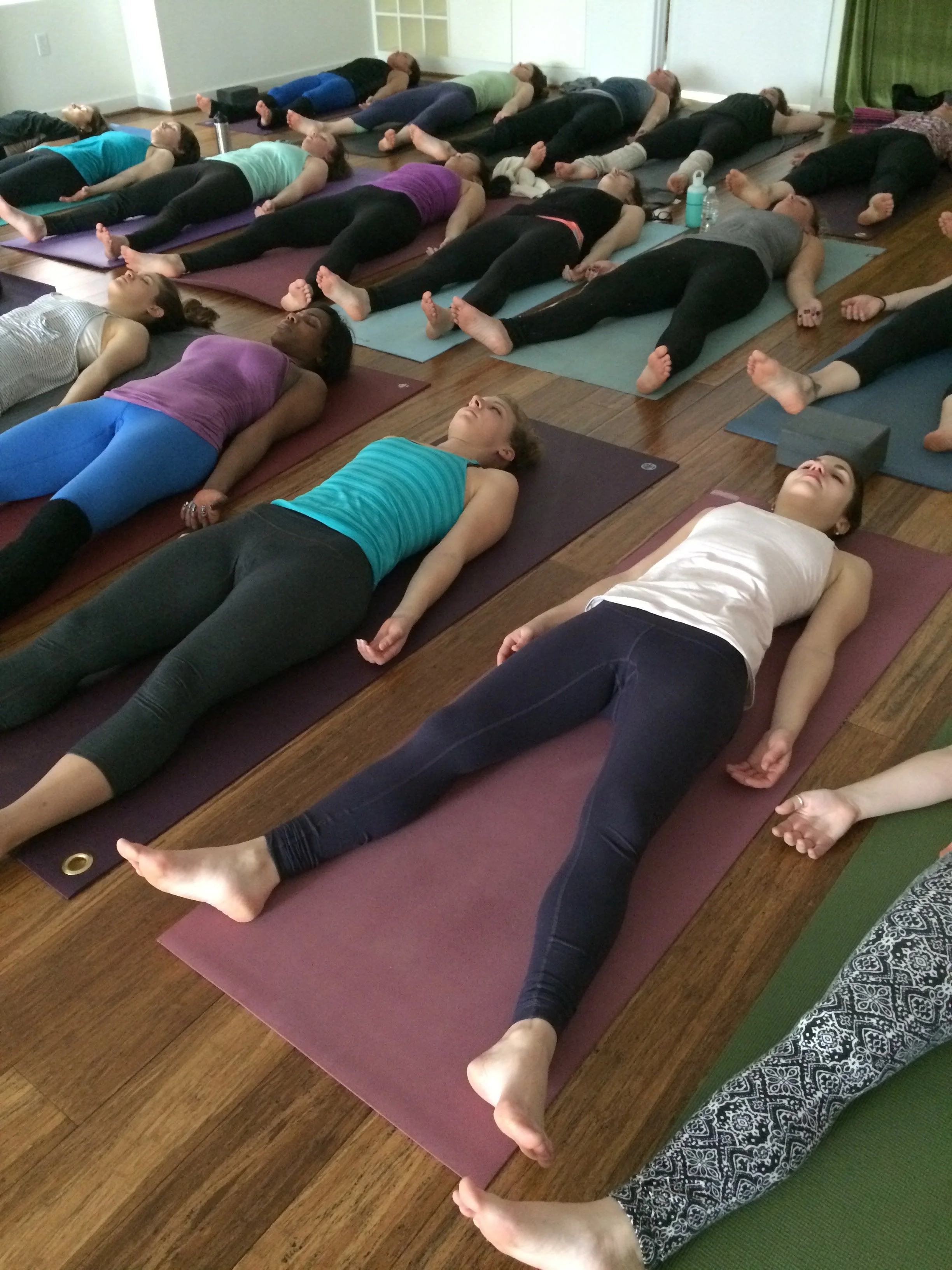
Savasana– Take Rest!
“each time we rest in śavāsana at the end of our practice is an opportunity to let go of some aspect of ourselves (hala hala – the poisons of the mind) and get up off the mat lighter and more prepared for that final stage — death — because whatever we don’t resolve, we take forward with us into the next cycle.”
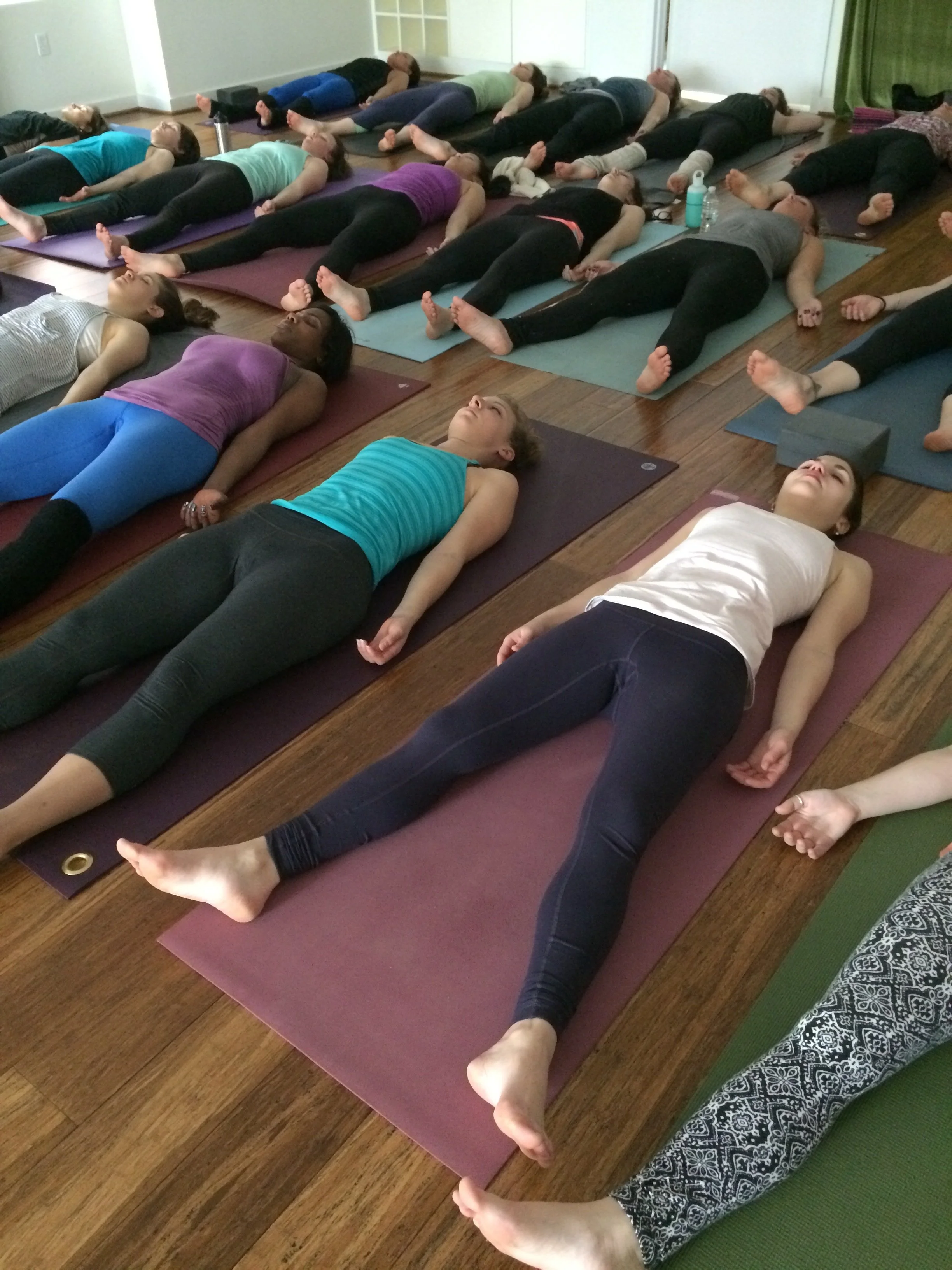
Relax deeply in savasana at Flow.
Shava (शव, Śava) = corpse
Asana (आसन, Āsana) = posture, seat
Shavasana (शवासन, Śavāsana) = corpse posture
You enter the room, roll out your mat, move and breathe for an hour or more and then, bam, lay down and stop moving. For some it’s a welcome relief, for others a dreaded waste of time and for many it can be quite challenging. I see these reactions — and varying states in between — every day. So, wherever you fall on this spectrum, you’re not alone. Regardless your reaction, it happens, and so I’m hoping it will prove meaningful to explore….
Why do we do it?
Śavāsana is a time to balance out the energy and benefits from all the effort you’ve expended on the mat. When the asana practice that precedes it is done with thoughtful, purposeful movement and alignment we are giving ourselves the opportunity to undo patterns of thought and being that are not beneficial and replace them with ones that are. At the end of this time of right effort, our body and mind need and thrive from the opportunity to assimilate the healthy aspects and let go of the unnecessary parts.
This takes on greater meaning when we consider that we are working with five bodies (koshas), not just one. Typically we may just be thinking that we have one body — the physical body, which in yoga speak is called annamaya kosha meaning “food body”. In addition to that we have an energetic body (pranamaya kosha), emotional body (manamaya kosha), intellectual body (ajñamaya kosha) and a spiritual body (anandamaya kosha). Each of these is effected by every experience we have. The asana practice is a time wherein we are given the opportunity to set-up the conditions to take only those actions that support the health and wellbeing of all five bodies. This is part of the reason why it is so important to thoughtfully select the environment in which you practice to eliminate distractions and preoccupations of the body and mind and facilitate focus.
By turning our awareness inward we can increase our ability to perceive what’s going on within us and develop something called interoception. Interoception is insight on the physiological condition of the body and is associated with the autonomic nervous system and autonomic motor control. The autonomic nervous system is in control of the normally unconscious and automatic bodily functions like breathing, the heartbeat, and the digestive processes. With repetition, a cornerstone of yoga practice, we can then become better at tapping into what is going on within us and better deal with the stresses of life. It’s a rewiring of the nervous system that supports steady engagement in the world.
How do we do it?
We get into the posture by lying flat on our back, taking the legs apart about the width of the mat (wider of shorter depending on your body size), allowing the legs to relax, externally rotate and the feet roll out, laying the arms out to the side about eight to ten inches from the body with the palms facing up and the hands open. (Side note, a way to maintain alertness is to actively outstretch the fingers since we tend to keep our hands somewhat closed in a protective way similar to the way we tend to close in around our hearts). The shoulders should be dropped down and away from the ears and the head resting flat with a slight tilt toward the chest. Lie face up with eyes closed and breath on automatic.
You may find it beneficial to purposefully bring tension to the muscles and then release into the resting state. Those of you familiar with Ashtanga know that at the end of the practice we take three seated postures, the first two of which are in a fairly relaxed state and then the very last one we lift up (utplithi) and contract most all the muscles of the body as a means of drawing our energy inward and upward in a focused, conscious manner. We do this in preparation to then let go and relax into a resting state.
Remain in this still state until your breath and heart rate become relaxed, ideally for ten minutes or more (some say five minutes for every 30 minutes of practice). Now, due to the impatience of Westerners and the accelerated pace at which we’re living our lives, classes keep getting shorter leaving limited time for this resting element of the practice. So, we try and get at least five minutes, more when possible.
While in śavāsana we remain relaxed but awake maintaining a level of mindful awareness and detachment — observing the thoughts, feelings and sensations of the mind and body without attaching to them and turning them into something more. It is a conscious asana where you are fully awake and deeply relaxed at the same time, which is not always an easy balance to attain.
Upon conclusion of śavāsana it’s important not to just jump up and go, but rather take a few breaths to begin moving the body and making one’s way off the mat.
Do you want to learn about what happens on a spiritual and energetic level when you take savasana rest? Head on over to Cory's blog for more!
And of course....below check out his latest workshops & special learning opportunities:
- Yoga Studies Program: Hatha Yoga Pradipika, Round 2 - Breath and Bandhas August 25, 12:45-2:45pm
- Yoga Fundamentals - Four Week Series on Wednesday nights Starts Sept 12, 7:45-9:00pm
- Intro to Mysore - Stepping into the Ashtanga Vinyasa Yoga Primary SeriesSept 29 & 30, 8:30-10:00am and Oct 1, 6:30-8:30am
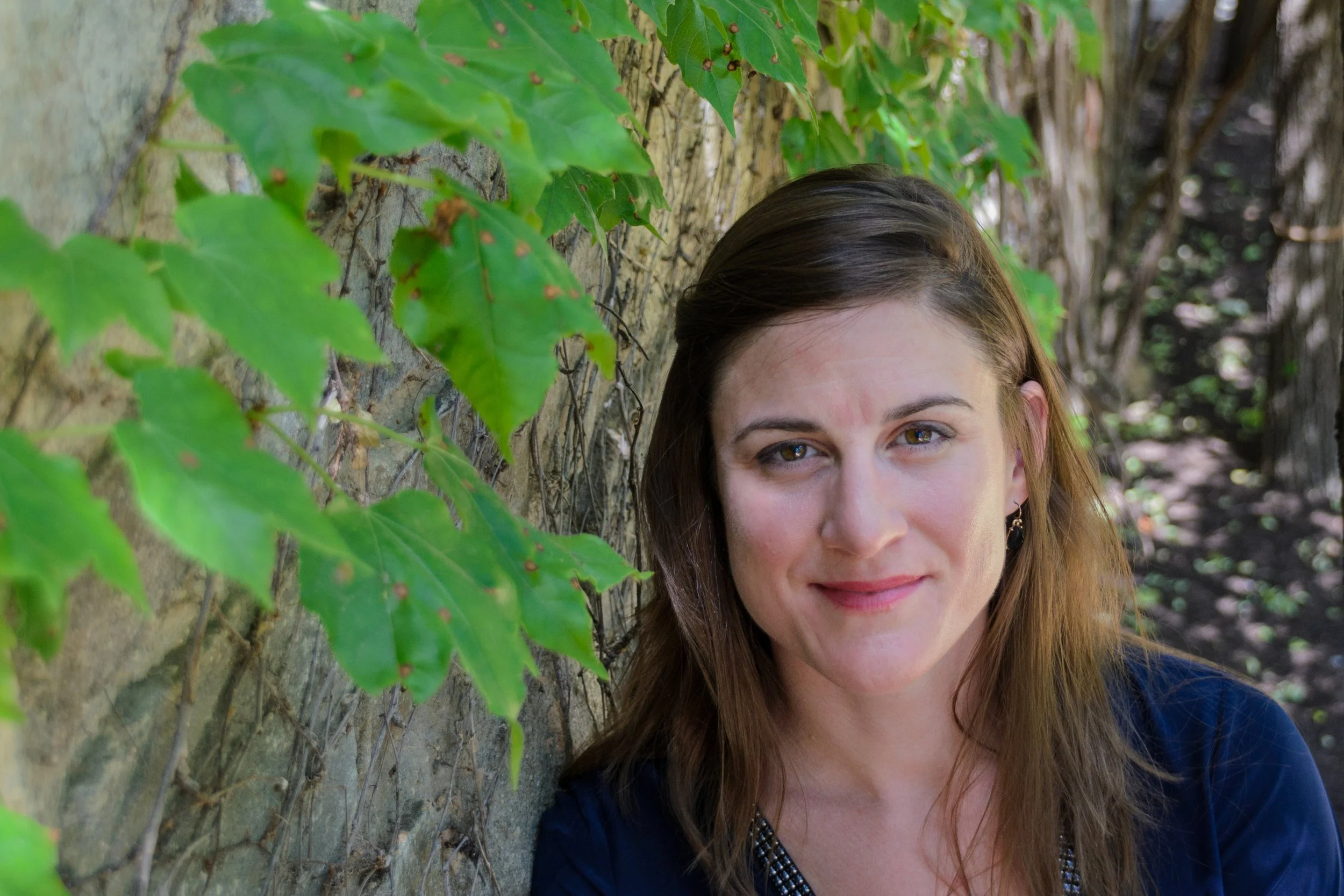
Teacher Spotlight: Angela Cerkevich
Please meet our featured teacher, Angela Cerkevich! A dedicated yoga practitioner with a background in clinical psychology, Angela blends challenging asana with mindfulness practices.
Learn more about her below!
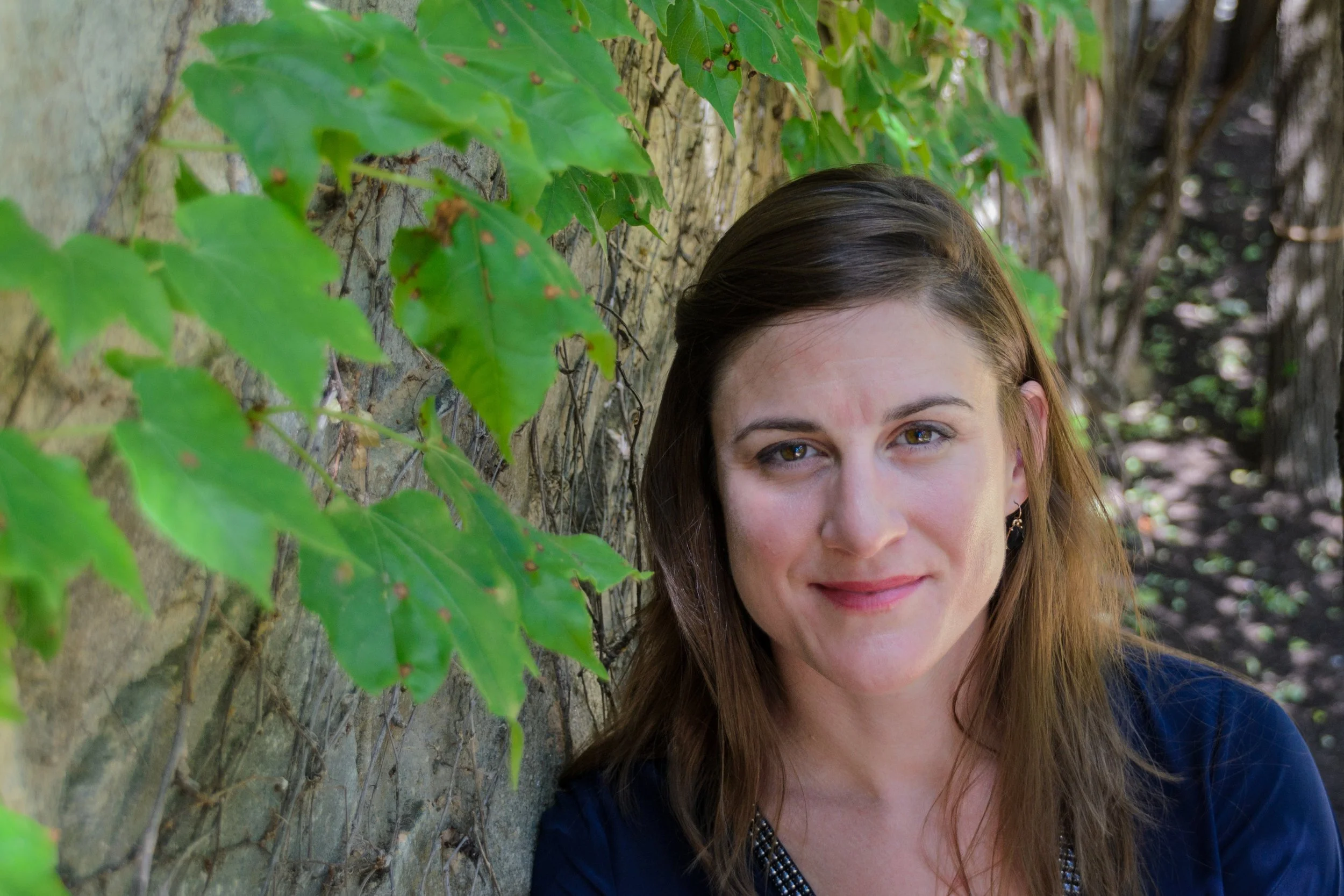
Yoga Teacher + Psychologist
Please meet our featured teacher, Angela Cerkevich! A dedicated yoga practitioner with a background in clinical psychology, Angela blends challenging asana with mindfulness practices.
What inspires you to practice at Flow?
Several items animate my desire to practice at Flow. First and foremost is Flow’s steadfast commitment to providing a wide range of quality classes. These, along with workshops geared towards mental and physical wellbeing, foster an environment where the practice of both participants and practitioners can grow and evolve. Additionally, a commitment to community has always defined Flow as a place that stands out from other studios. Having been with Flow since it first opened in 2004, I have been inspired by generations of Flowgis and their genuine interest in deepening their practices while building a community.
What was your first yoga experience like?
I grew up watching my father practice headstands in the morning, but it wasn’t until college that I explored the practice myself. However, my first class was in high school at a spa. While I have no recollection of the asana practice, I recall the sivasana as being unlike anything I’d ever experienced. It felt like heaven. I felt so clear, spacious and at ease. I wanted more of that.
What is your current practice like and how does it fit into your daily routine?
Yoga is fully integrated into my physical, mental, and spiritual life. I practice asana that supports my body’s changing needs and while this is what the observer would recognize as "yoga," it is only a small part of what I consider my practice. Yoga colors and shapes the perspective through which I view and engage with the world. This includes studying my thoughts and emotions, creating space for a pause to respond to others with a non-judgmental stance, and utilizing yoga nidra to restore my nervous system.
Who are some of your most influential teachers?
Joan Ravinsky. Richard Miller. Eric Baret. John Schumaker. Doug Keller. Para Soma. All the people in my life who have challenged me. All the people in my life who have loved me.
What is something the Flow community may not know about you?
Before working as a yoga instructor and clinical psychologist, I owned a pet–sitting company and cared for dogs, cats, and birds all over the DMV.
Anything else you would like to share?
My asana classes are geared toward balancing the mind as well as the body. That means that while you will get a workout, the emphasis is on a practice that results in mental and emotional alignment. I use the breath, specific energetic alignment cues, and a moderate, steady pace to do this. I am a licensed clinical psychologist with a private practice in Georgetown. While I believe in the power of this work, I am convinced that talk-therapy can be more effective when combined with a body-oriented practice. This two-pronged approach is most useful in rewiring the circuitry of negative psycho-emotional habits.
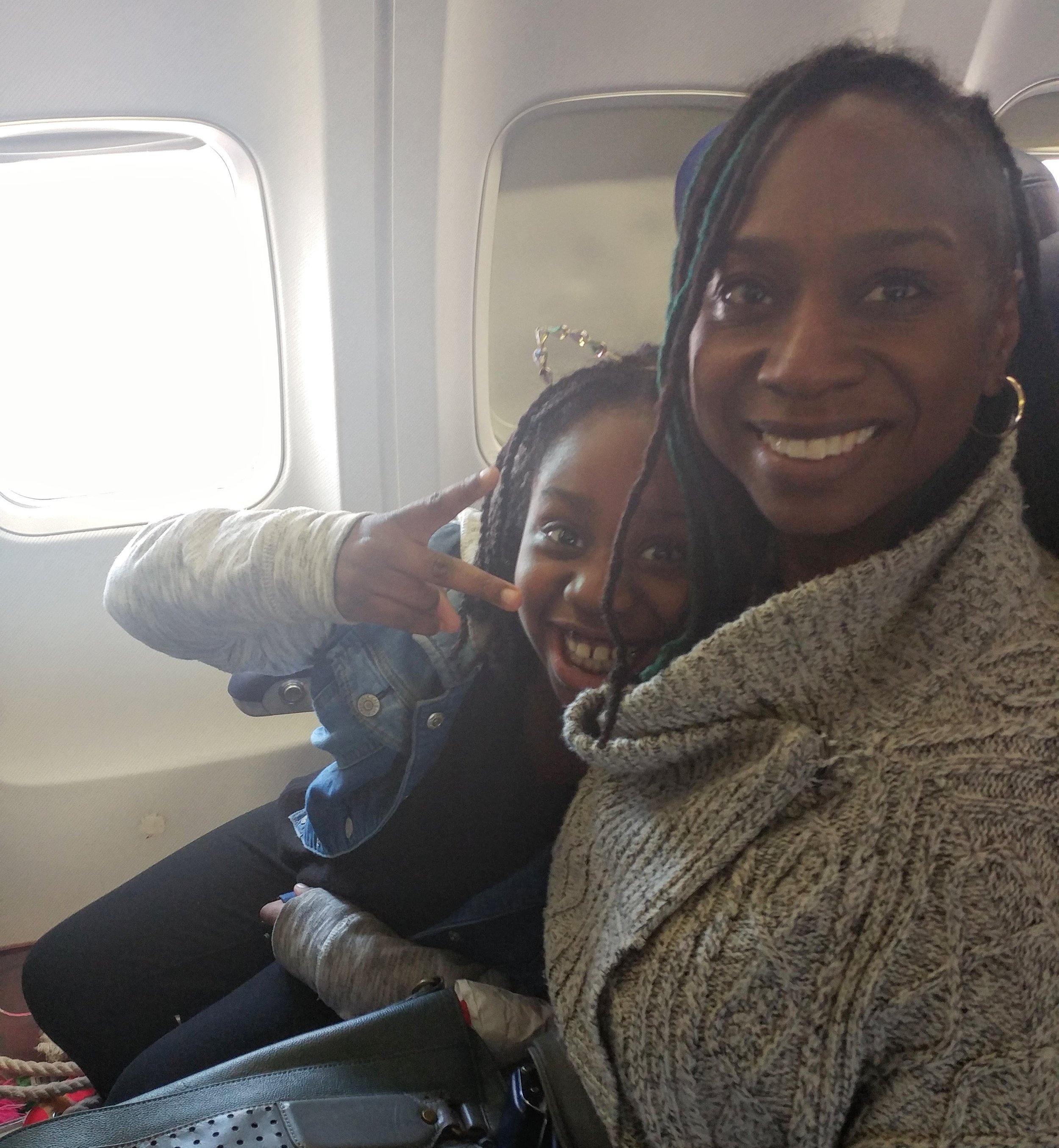
Guest Spotlight: Asaki Bradford
Flow fam! We're so excited to feature our guest of the month, Asaki Bradford. Asaki has been coming to Flow for over three years. Diligent in her practice, learn more about this Flowgi who you can find in our daytime classes.
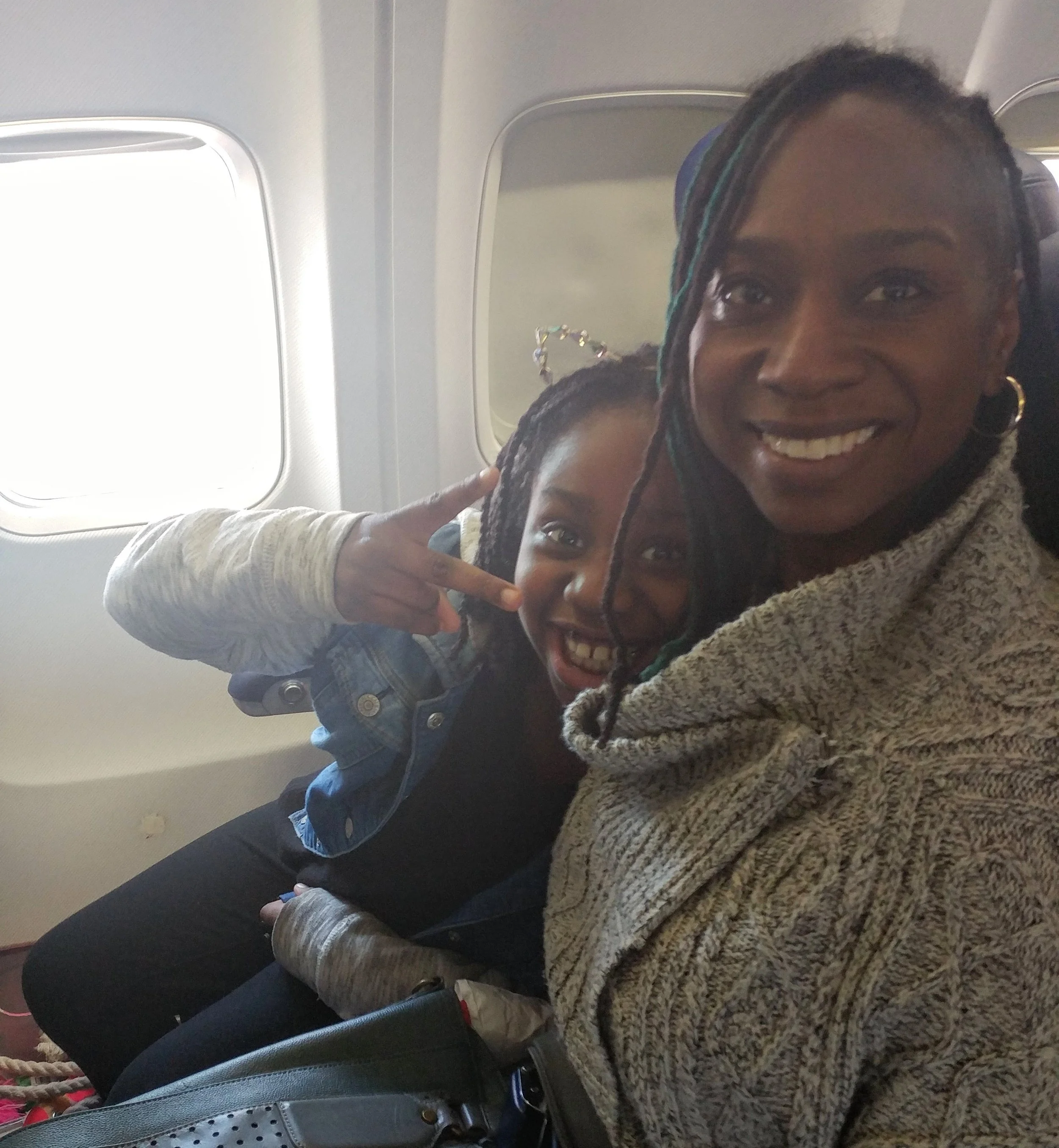
Flow fam! We're so excited to feature our guest of the month, Asaki Bradford. Asaki has been coming to Flow for over three years. Diligent in her practice, learn more about this Flowgi who you can find in our daytime classes. Please say hi if you see her around the studio!
What inspires you to practice at Flow?
I love the community, fellow students, and teachers! I love that classes are full of working folks, students, retirees- a huge cross-section of our city. I love the ability to form relationships that endure over years and I find it especially meaningful to have several teachers who offer consistently intelligent practices which challenge the mind as much as the body.
What is your current practice like and how does it fit into your daily routine?
My goal is to practice in the studio 2-3 times a week, I usually only manage twice a week for the 12:30 pm classes. As emotionally and physically helpful as the practice is, it is a true challenge organizing my day to afford not only the practice- but the commute. I pass 3 studios en route to Flow, and have visited a couple, but they don't feel like home- and so I work to organize my day to afford the important respite. While I always imagine the languid days of summer will make my practice easier to fit it- it is actually infinitely easier for me when my daughter is in school!
What was your first yoga experience like?
My first experience was in college- some 25 years ago. I restarted 3 years ago. In truth, I wanted to love the experience as much as I did in college- and didn't. I took a level 1 class and found that challenging. It was really the negative self-talk that almost made me stop, thinking I should be able to do now what I could so easily do then. Debra supported me though, she always reminded me of the incremental progress I was making and over several (like 6!) months my body began to feel more accessible and my mind quieted.
Who are some of your most influential teachers?
Alicia Moyer guides me in tapping into my inner strength. Her practice feels both spiritually centered and physically exacting. Sam Breschi builds a practice that leaves me feeling like I've lovingly embraced every bit & fiber of my body. It's like I've been completely wrung out- but in the most loving, wonderful way. And, I have found that Aqeel Yaseen reminds me to laugh and enjoy the effort. Each offers a pretty different experience which I appreciate immensely.
Anything else you would like to share?
I feel like such a work in progress, and I am so thankful to have the time and ability to work on myself. I know I have become a better spouse, mom, and daughter in large measure because I have chosen to focus on love, and I practice patience every day. My yoga practice has provided a guide to quieting myself to allow love and patience to supplant other anxieties that used to lurk inside. I really feel very fortunate.
Will you follow your heart?
I knew I was. Fifteen years ago I found myself feeling uninspired about the work I was doing. I liked my job and I was pretty good at it, but I always had the nagging feeling it that there was something else out there for me. So when I heard my friend’s question "If money & time and all the other obstacles were out of the way.....what would your dream job be?".
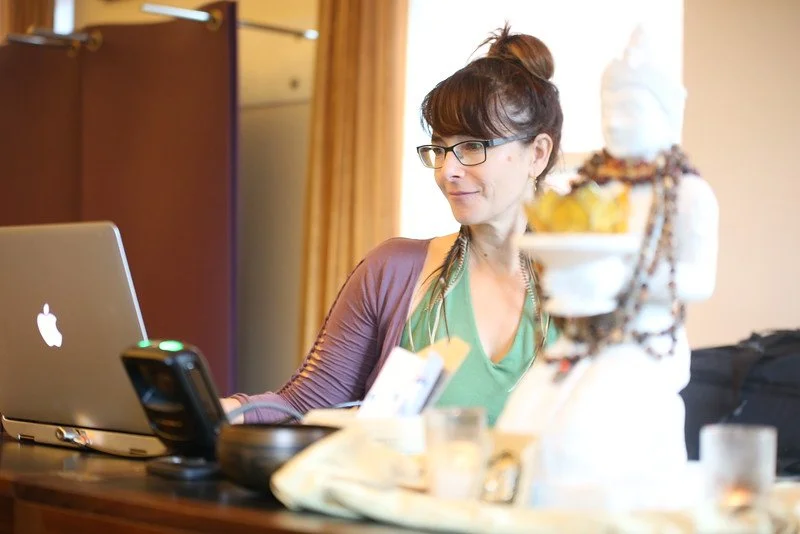
photo credit @drewxeron
Fifteen years ago I did. Back then, in my mid-thirties, I was feeling uninspired about the work I was doing. I liked my job and I was pretty good at it, but I always had the nagging feeling it that there was something else out there for me. So when I heard my friend’s question "If money & time and all the other obstacles were out of the way.....what would your dream job be?"
Without a pause I said "I would open a yoga studio!" I never uttered those words before and it surprised me when I heard myself say them, but when I did...whoa - the universe heard me loud and clear and a miraculous year later....I opened Flow's doors.
That year was FILLED with obstacles. The negative self talk & self doubt were constant companions. So were the naysayers who told me to slow it down, go the baby step route & that it was crazy to leave such a great job. I remember the intense hesitation I felt as I walked into my boss' office to resign.
I can still hear the "NO's" from potential landlords and banks who told me there is no way I would be approved to take out a lease & loan. Oh, and the feeling of total freak out when I finally found a space and had to write a check transferring my life savings into a downpayment for our rent and buildout.
But I also remember those who encouraged me and helped push me forward. I surrounded myself with those people.
And when I look back and reflect... I am most grateful that the one voice I listened to most clearly .... my own.
Today, I wish I could say that all my hesitations, doubts and insecurities are long gone. They’re not! I still struggle with negative thoughts all of the time. (I’lll save that for a future post ;). But I also know how to listen to the voice inside my heart and to trust my instincts.
And I knew back then as I know now....that it’s my steady yoga practice that has given me presence, confidence and clarity to live into my dreams. And I know it was my practice that kept me going that year in the face of all of my fears and my hesitations.
How about you? Is there a voice inside you that is yearning to be heard? Is there a dream you have been pushing away out of fear or insecurity? When you get really quiet and calm (like after your yoga practice!) what are the creative thoughts that swirl in your own mind and heart? How do you push past your own self doubt and stories? Is there a way for you to turn your vulnerability into creativity? To align yourself more closely with your dreams?
We are here to support you. In fact, this is why we are here. Because we believe a yoga practice can inspire the best in you. And we also believe that when you are living into the best version of you- that there is opportunity to share your much needed gifts to help uplift others.
I am super excited about our upcoming offerings including workshops to help you deepen your connection and commitment to your practice and workshops to encourage your creativity including crafts, vision boarding, dream catcher creation and more. We couldn’t be more excited (and honored) to walk this path with you.
Stay in touch. Drop me a line or comment below to share your ideas.
Warm regards,
Debra