
Good Sleep: Yoga’s Role in Beating Insomnia
Just a couple of classes a week can help you fall asleep faster, stay asleep longer, and wake up more refreshed. Studies show yoga lowers cortisol (your stress hormone), calms the nervous system, and boosts melatonin production—the hormone that helps you drift off and stay asleep. We’ve seen it work for so many of our DC students, and it feels just as good as the research says it will.
practice yoga to help you sleep better
At Flow Yoga Center in Washington, DC, we’re here to help you sleep longer, fall asleep faster, and wake up feeling restored. ;)
Why So Many of Us in DC Are Tossing and Turning
If you’ve ever typed how to fall asleep faster or natural remedies for insomnia into your phone at 2 a.m., you’re not alone. The American Academy of Sleep Medicine says 30–35% of adults deal with insomnia symptoms each year, and the CDC reports more than 17% of us can’t seem to stay asleep most nights.
In a city like DC, it’s no surprise. Long days at the office, late-night events, and the fast pace of city life can leave your mind buzzing long after you’ve closed your laptop or stepped off the Metro.
The good news? A new study shows one of the most effective, natural solutions might be waiting for you right here at Flow.
The Study: Yoga Tops the Charts for Better Sleep
A 2025 systematic review in BMJ Evidence-Based Medicine looked at 22 randomized controlled trials and more than 1,300 participants with insomnia. Researchers compared 13 interventions, from therapy and lifestyle changes to seven types of exercise.
The results were clear: yoga and tai chi were the top performers.
Yoga increased total sleep time by up to two hours 💤
Tai Chi increased total sleep time by about 50 minutes
Walking and jogging helped reduce insomnia severity, but not as much as yoga
Dr. Jennifer Gourdin, a sports medicine physician with Kaiser Permanente in Silver Spring, MD, explained it simply:
“The two forms of exercise they mentioned that gave the most increased sleep time were yoga and tai chi. Both involve gentle movement with mindful breathing.”
Why Yoga Works (and Why We See It Every Day at Flow)
Here in our Logan Circle studios, we hear it all the time — “I’m finally sleeping better.” Just a few classes a week can make a big difference, and we’ve seen so many students go from tossing and turning to feeling completely restored. The best part? Science says it works.
Yoga can help with insomnia by:
Lowering stress hormones like cortisol
Activating your parasympathetic nervous system (your “rest and digest” mode)
Loosening tension that makes it hard to get comfortable in bed
Training your mind to shift away from racing thoughts
Unlike high-intensity workouts, yoga offers gentle, restorative options that prepare you for deep, long-lasting rest.
Our Favorite Sleep-Friendly Classes in DC
If you want to see what the research is talking about, try these Flow classes designed to help you sleep better:
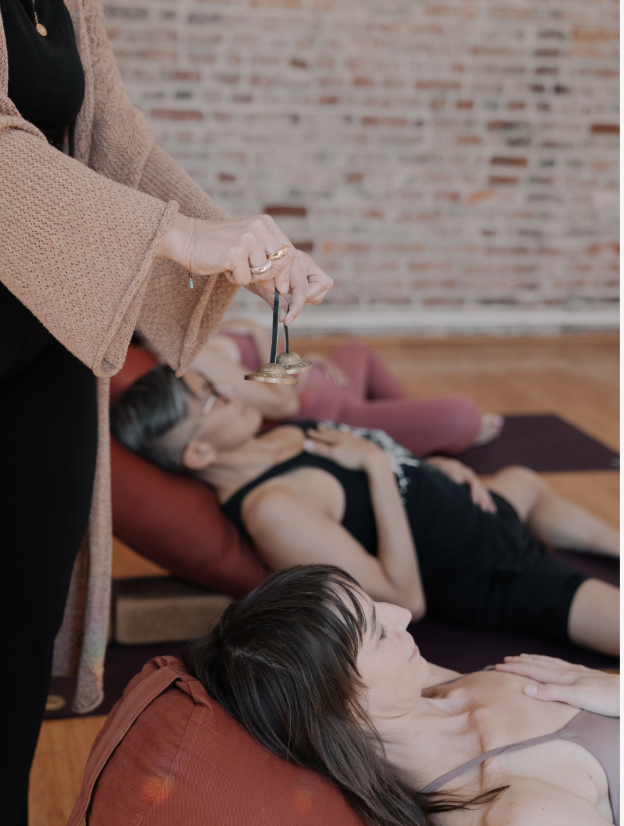
Restorative/Yin Yoga with Crystal Bowl Sound Bath – Deep relaxation that melts away tension.
Feel-Good Vinyasa – Smooth, steady movement to reset your body and mind.
Slow Flow & Meditation – Gentle poses and mindfulness for a calm, grounded evening.
Each class is beginner-friendly and led by our amazing instructors who know how to help you let go of the day and prepare for deep rest.
When you sleep well, everything in your day feels better. Flow Yoga Center can help you get there. Whether you are brand-new to yoga or already an experienced practitioner, we’ll help you create a practice that supports better sleep, more energy, and a calmer mind.
📅 Check our schedule and book your first class today: flowyogacenter.com/schedule

When Emotions Feel Like Too Much: Try This 4-Step “RAIN” Practice
There are days when you can feel it building—just beneath the surface.
The tight chest. The lump in your throat. The low hum of anxiety or the sharp flicker of anger.
And sometimes, it catches you off guard: everything feels fine until it doesn’t.
That moment—when you feel the spin or the heaviness—isn’t a personal failure.
It’s a signal. An invitation to slow down, turn inward, and meet yourself gently.
There’s a practice we love for moments like this. It’s simple. It’s portable. And it helps you move from overwhelm into grounded presence. It’s called RAIN.

There are days when you can feel it building—just beneath the surface.
The tight chest. The lump in your throat. The low hum of anxiety or the sharp flicker of anger.
And sometimes, it catches you off guard: everything feels fine until it doesn’t.
That moment—when you feel the spin or the heaviness—isn’t a personal failure.
It’s a signal. An invitation to slow down, turn inward, and meet yourself gently.
There’s a practice we love for moments like this. It’s simple. It’s portable. And it helps you move from overwhelm into grounded presence. It’s called RAIN.
R – Recognize
Start by simply noticing what’s here. Not with judgment, just awareness. A swirl of emotion. A racing heart. A tight jaw. A voice in your head that says, “This is too much.”
Recognizing doesn’t mean analyzing. It just means gently naming what you’re experiencing:
“I’m feeling overwhelmed.”
“There’s tension here.”
“Something feels tender.”
This is the first moment of stepping out of autopilot and into presence.
A – Allow
Instead of pushing the feeling away or trying to fix it, soften. Allow the emotion, the discomfort, the story—just as it is.
This might sound like:
“I don’t have to like this, but I’m willing to feel it.”
“This is what’s here right now.”
Allowing gives your nervous system permission to stop fighting itself. You’re letting go of the need to perform calmness or power through. You’re just being with what is.
I – Investigate
Now, turn toward yourself with gentle curiosity.
Where do you feel this in your body?
What might this part of you need?
What’s underneath the emotion—fatigue, fear, unmet needs?
There’s no need to force insight. This isn’t about solving. It’s about listening.
This is where the wall between emotion and awareness begins to soften.
N – Nurture
This is the part we often skip—but it’s the most important. Offer yourself kindness. Not as a performance, but as a true gesture of care. You can place your hand on your heart or speak words of support inwardly:
“It’s okay to feel this.”
“I’m with you.”
“You’re doing your best.”
You don’t need to have it all figured out to be worthy of compassion. You already are.
Why This Practice Matters
RAIN doesn’t remove what you’re feeling—it helps you relate to it differently.
It brings you back into relationship with yourself. It creates space, softness, and often, just enough relief to take the next step with more steadiness.
This is how we build resilience. Not by avoiding, but by learning to stay—lovingly, curiously, and without self-judgment.
So the next time a wave rises, try this:
Pause.
Feel.
Soften.
Care.
And remember: you don’t have to go through hard moments alone or armored.
There’s a path back to yourself.
One breath, one pause, one kind word at a time.

When You Feel Overwhelmed This May Help
Overwhelm doesn’t always arrive with a warning.
Sometimes it builds slowly…. tiny moments stacked too high. Other times, it hits like a wave: one email, one comment, one piece of news too many.

Overwhelm doesn’t always arrive with a warning.
Sometimes it builds slowly…. tiny moments stacked too high. Other times, it hits like a wave: one email, one comment, one piece of news too many.
We often think of overwhelm as a mindset or a mood.
But it’s more than that.
It’s a full-system signal:
Your body, your emotions, your nervous system, your spirit—all calling out at once.
It might feel like fog in your head. Tightness in your chest. Irritability, exhaustion, or a sense that if one more thing happens, you might just shut down.
And when that happens, what do most of us do?
We push harder.
We scroll.
We snap.
We try to pretend we’re fine.
But what if we didn’t?
What if, instead of powering through, we softened toward ourselves?
Start Here: Interrupt the Spin
Overwhelm thrives on momentum. One thought piles on the next, and soon you’re in a cyclone of “too much.”
The most powerful thing you can do? Interrupt the swirl.
Close your eyes. Drop your shoulders.
Notice your your feet. Wiggle your toes. Press them into the floor.
Notice one true thing in this moment. Maybe it’s “I’m safe.” Or just “I’m here.”
Move With Intention (Not Intensity)
You don’t have to get on your mat.
But if you can, move—slowly. Gently. With presence.
Reach your arms overhead. Let out a sound or a sigh as you exhale.
Sway side to side. Cross your arms, palms on shoulders and give yourself a gentle hug.
Walk barefoot outside, if that’s possible.
Let your body speak the language of “enough.”
Choose One Kind Thing
When your mind is racing, it’s easy to feel like everything needs attention.
Instead, try this:
Do one kind thing for yourself.
Drink a glass of water without multitasking.
Sit quietly for two minutes.
Call a friend.
Step outside and look at the sky.
Place your hand over your heart—not for dramatic effect, but because it helps.
Let It Be Messy
You don’t have to figure out why you feel overwhelmed.
You don’t have to fix it, analyze it, or shame yourself for not handling things “better.”
Sometimes overwhelm means you care deeply.
Sometimes it means your nervous system is frayed.
Sometimes it’s just... Tuesday.
All of that is okay.
At Flow, we always say:
You don’t need to show up a certain way to be here.
You just need to show up.
So if everything feels like a lot right now, come as you are.
We’ll meet you there—with movement, stillness, breath, and space to soften the edges.
You're not alone.
And you're not broken.
You’re just in need of a moment to land.
Don’t Skip the Stillness: Why Savasana Might Be the Most Important Pose of All
It’s easy to think of it as just a quiet moment at the end. But in truth? It’s where the real magic happens.
Savasana isn’t a bonus nap at the end of your practice —it’s the ultimate recovery and integration of every move and every breath you experienced in class.
Let’s talk about the part of class so many of us are tempted to skip: Savasana.
It’s easy to think of it as just a quiet moment at the end. But in truth? It’s where the real magic happens.
Savasana isn’t a bonus nap at the end of your practice —it’s the ultimate recovery and integration of every move and every breath you experienced in class.
When you give yourself those final minutes of stillness, all kinds of good things start to happen:
→ Your breath softens and slows
→ Your heart rate steadies
→ Cortisol levels drop (aka: stress hormones take a back seat)
→ Emotions can surface and move through
→ The nervous system flips into “rest and digest” mode
→ And your body finally receives the message: “You’re safe now.”
Unlike regular rest, Savasana is conscious stillness and a practice of presence. You’re not asleep, but you’re not doing. You’re simply being—and that’s what makes it so healing.
Even just 3–7 minutes in Savasana can bring your whole system back into balance.
It’s a full-body exhale. A return to center.
And if it feels hard to stay still? That’s okay. You’re not doing it wrong.
You’re practicing. Each time you linger, you’re strengthening your ability to pause. To listen. To let go.
So next time you roll up your mat, don’t rush off.
Let yourself linger.
Lay down and land.
Give yourself the gift of those final few minutes…. and let them do their quiet, powerful work.
Because integration is the yoga. And you are absolutely worth the pause.
How to Practice Savasana
Here are a few ways to make Savasana feel more supportive and nourishing for you:
On your back – the classic version. Let your arms and legs fall naturally, palms open, eyes closed.
With support under your knees – a rolled blanket or bolster here can release tension in the lower back.
Legs up the wall – great for calming the nervous system, improving circulation, and grounding anxious energy.
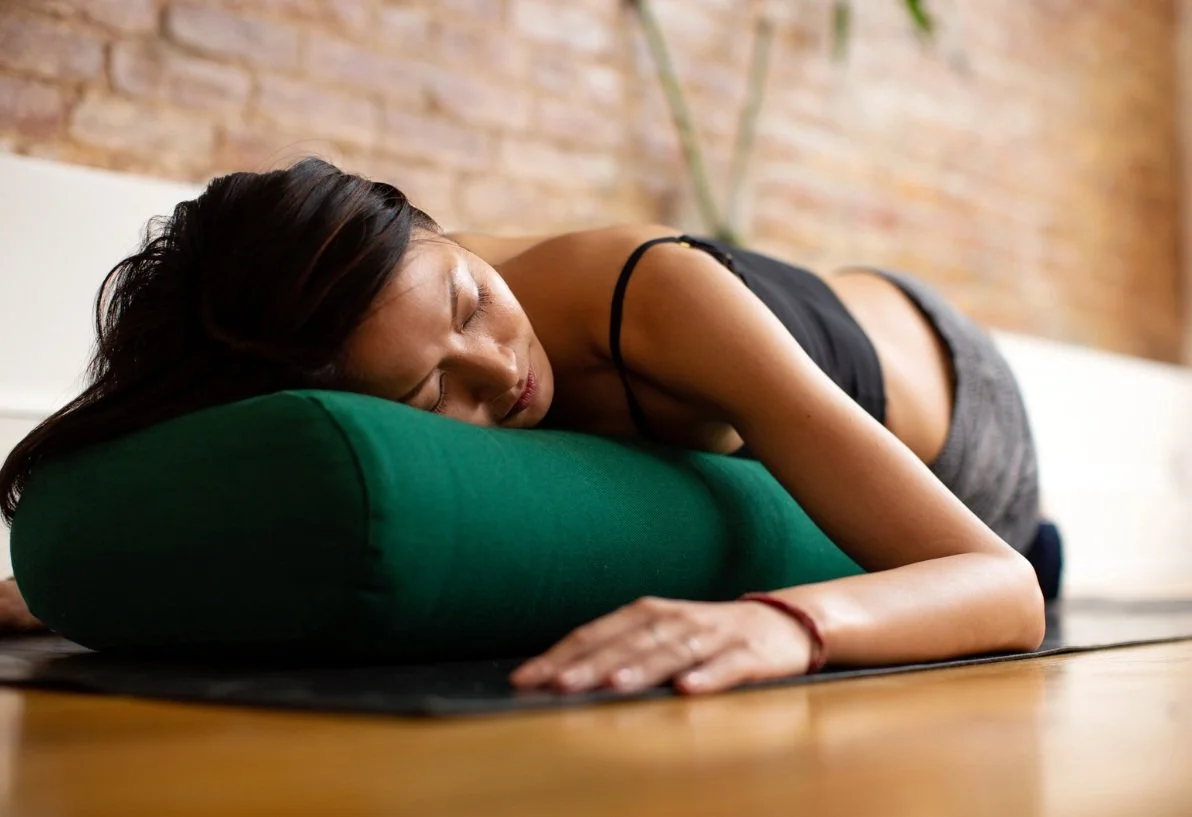
On your belly – comforting if you’re feeling ungrounded or activated. Try turning one cheek to the side, arms resting beside or under you.
Set the Mood
A few simple shifts can make a big difference:
Dim the lights or turn off harsh overheads.
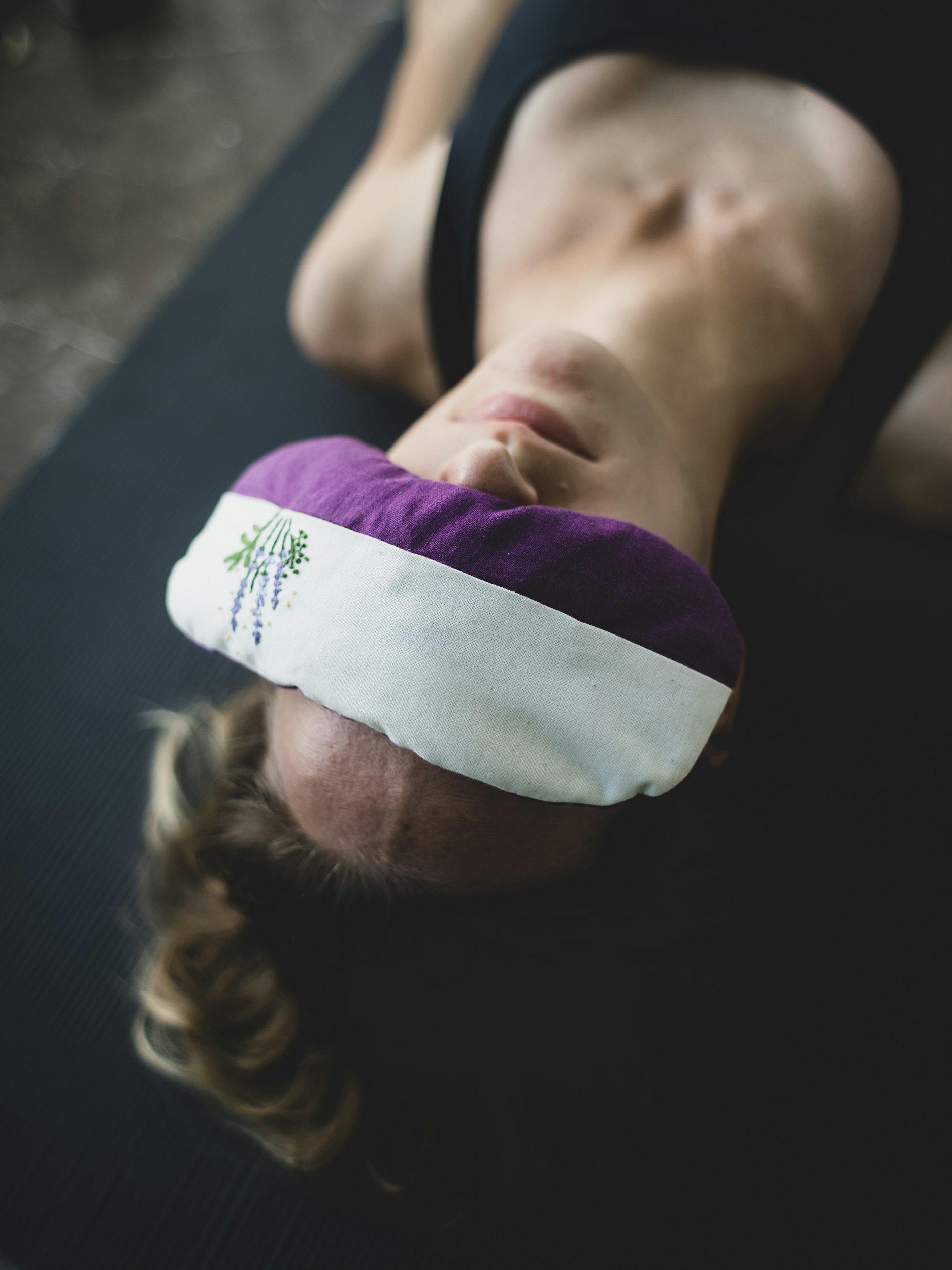
Use an eye pillow to help you turn inward and soothe your nervous system.
Place a blanket over your body—your body temperature may drop as you begin to relax.
Soften your jaw, unclench your hands, and let the ground carry you.
This is your time to rest with intention. To soften, to listen, and to simply be.
6 Tiny (and Almost Free) Ways to Give Your Health a Little Glow-Up
6 Tiny (and Almost Free) Ways to Give Your Health a Little Glow-Up ✨
Looking for simple wellness tips that actually make a difference? These six tiny, free (or almost free) daily habits are grounded in science, easy to stick with, and help boost your energy, digestion, sleep, and focus — naturally. Whether you’re building a daily wellness routine or just want a few feel-good resets that don’t require a full lifestyle overhaul, these small steps can create big shifts.
You know when you just want to feel a bit better — not a total life overhaul, just a little reset to get your energy flowing and your body feeling more like you again? Some of the best health habits aren’t tucked inside a fancy supplement bottle or $700 dollar red light face masks :). They’re hiding in the tiny, everyday choices — the ones that don’t cost much but quietly add up to something really good.
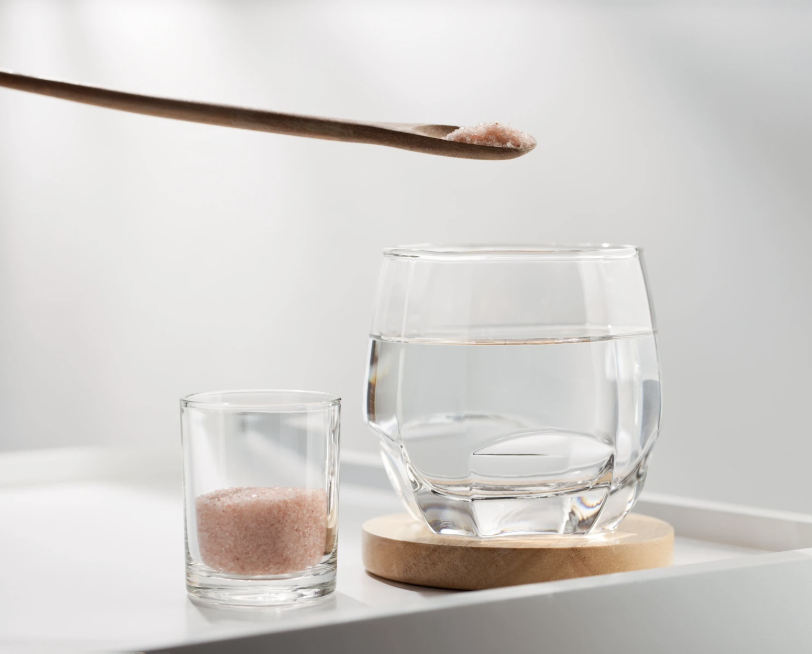





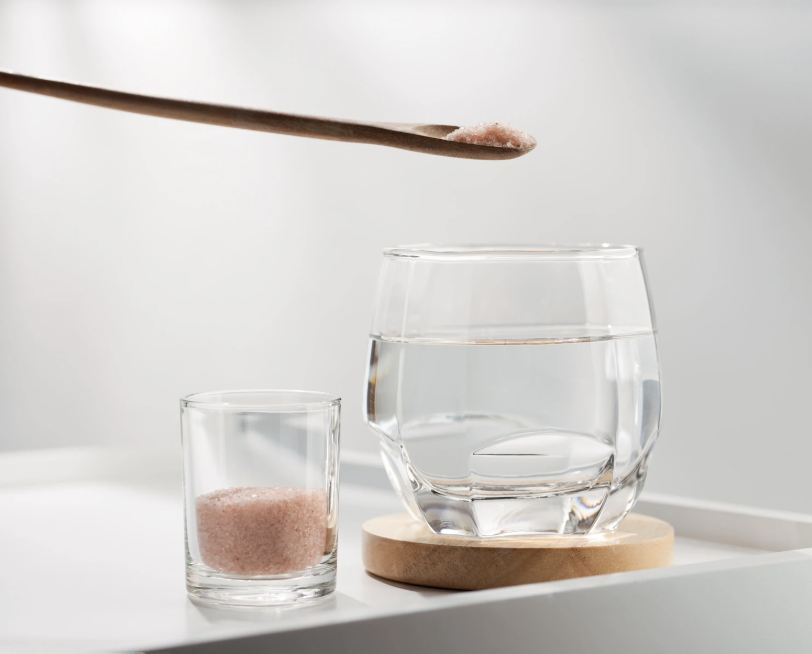
#1. Add a Pinch of Sea Salt to Your Morning Water
I used to just sip plain water in the morning, but adding a little sea salt makes me feel so much better. The salt helps your body absorb the water better — especially first thing, when you're a bit dehydrated from sleep and the tiny pinch gives you natural electrolytes like magnesium and sodium, which support energy, focus, and hydration. I think of it like a soft landing into the day and always before I reach for my coffee ;).
#2. Let the Morning Light Hit Your Face ☀️
This one's so easy to skip — but it makes a huge difference. Step outside for a few minutes (or open a window) and let the early sun hit your face — no sunglasses if you can. Natural light works best without glass in between you and the sky, since windows filter out the wavelengths that help reset your circadian rhythm. That reset means better sleep at night, steadier energy during the day, and less brain fog.
Bonus points if you catch the golden light at the end of the day too!!
#3. Scrape Your Tongue in the Morning
This one’s straight out of ancient yogic tradition — and honestly, it’s oddly satisfying. Before brushing your teeth, use a tongue scraper (or the back of a spoon if you don’t have one) to gently remove the coating that builds up overnight. Not only does it freshen your breath, but it also supports digestion, oral health, and helps clear out toxins your body was busy processing while you slept. It takes 10 seconds and makes a surprising difference in how you feel.
#4. Stand Up and Shake It Out for 30 Seconds
When I’ve been sitting too long (aka most workdays), a quick shake — like full-on wiggly limbs, wrists, ankles shoulders, legs, everything — works (almost) better than another cup of coffee :). It gets your blood moving, clears a little brain fog too! Try it between Zoom calls or after scrolling too long. No one's watching (and if they are, maybe they’ll join in).
#5. Go Phone-Free + Chew Slower at One Meal
You’re probably already doing it right — more whole foods, less processed stuff, paying attention to what makes you feel good. But here’s something a lot of us skip (myself included): chewing slower. Slowing down your bites — especially if you’re phone-free and actually tasting your food — helps your body absorb more nutrients, supports better digestion, and reduces bloating. Even just choosing one meal or snack a day to eat without distractions and chewing a little more mindfully can shift how your whole body feels.
#6. Stretch or Lymph-Tap Before You Scroll
Scrolling is such a reflex. Lately I’ve been trying to pair it with something that reminds my body I’m still here. Before you scroll, try a quick stretch, shoulder roll, or even a few seconds of lymph-tapping (lightly pat your chest, arms, and legs to get things flowing). It’s a small way to stay grounded while you dive into the digital universe — and it helps neutralize that spacey, overstimulated feeling afterward.