
Yoga for the Brain: Sharpen Your Mind and Protect Against Cognitive Decline
We often think of yoga as a physical practice—flowing through poses, stretching deeply, and finding calm amidst life’s demands. But yoga’s benefits go far beyond flexibility and strength. In fact, it’s one of the most powerful tools to enhance mental clarity and protect cognitive health. Yes, yoga is for your brain, too.

Yoga for the Mind: Sharpening Your Mental Clarity and Embracing Long-Term Wellness
We often think of yoga as a physical practice—flowing through poses, stretching deeply, and finding calm amidst life’s demands. But yoga’s benefits go far beyond flexibility and strength. In fact, it’s one of the most powerful tools to enhance mental clarity and protect cognitive health. Yes, yoga is for your brain, too.
Studies are increasingly showing that yoga is linked to improved cognitive function and reduced risk of cognitive decline. It’s a practice that grounds you in the present while supporting long-term brain health.
The Science-Backed Benefits of Yoga for the Brain
According to an article in The Washington Post, yoga incorporates four key components: controlled breathing, relaxation, mindfulness, and postures. Together, these elements provide more than just physical benefits—they support mental well-being as well.
Research reveals that regular yoga practice can improve attention, memory, and cognitive flexibility. The combination of mindful movement and controlled breathing reduces stress, a major contributor to cognitive fatigue and decline. The best part? Even short, consistent yoga sessions make a difference.
More than just a mood booster, yoga serves as a proactive way to safeguard your cognitive health, potentially slowing the effects of age-related decline. That extra 10 minutes of mindful breathing isn’t just for relaxation—it’s a powerful act of brain protection.
How Yoga Engages the Mind and Body
Yoga is about more than perfecting poses or achieving flexibility. It’s about connecting with your breath, moving your body, and building resilience in life’s more challenging moments. This practice is about presence—showing up as you are and recognizing that every breath and movement is an investment in mental clarity.
With each mindful inhale and exhale, yoga engages the prefrontal cortex, the brain’s control center for focus, decision-making, and self-regulation. It’s not just calming your mind—it’s training your brain to be sharper and more resilient over time.
Long-Term Cognitive Protection
Yoga’s cognitive benefits are largely thanks to its ability to reduce chronic stress, a major risk factor for cognitive decline and diseases like Alzheimer’s. By lowering cortisol levels and reducing stress-related inflammation, regular yoga practice protects your brain from long-term damage.
Research also suggests that yoga may be as effective, if not more so, than other forms of exercise in preserving cognitive function, particularly in older adults. It’s a gentle yet powerful way to maintain both mental and physical vitality.
Bringing it All Together
Yoga offers more than a workout—it’s a practice that strengthens the mind, fosters presence, and enhances mental clarity. Each time you roll out your mat, you’re doing something transformative for your brain, not just your body.
So the next time you take a deep breath on your mat, remember that you’re nurturing your future self. Yoga is more than self-care; it’s a long-term investment in your mental and emotional well-being.
What if you made yoga part of your cognitive wellness journey? Perhaps it’s time to give it a try.
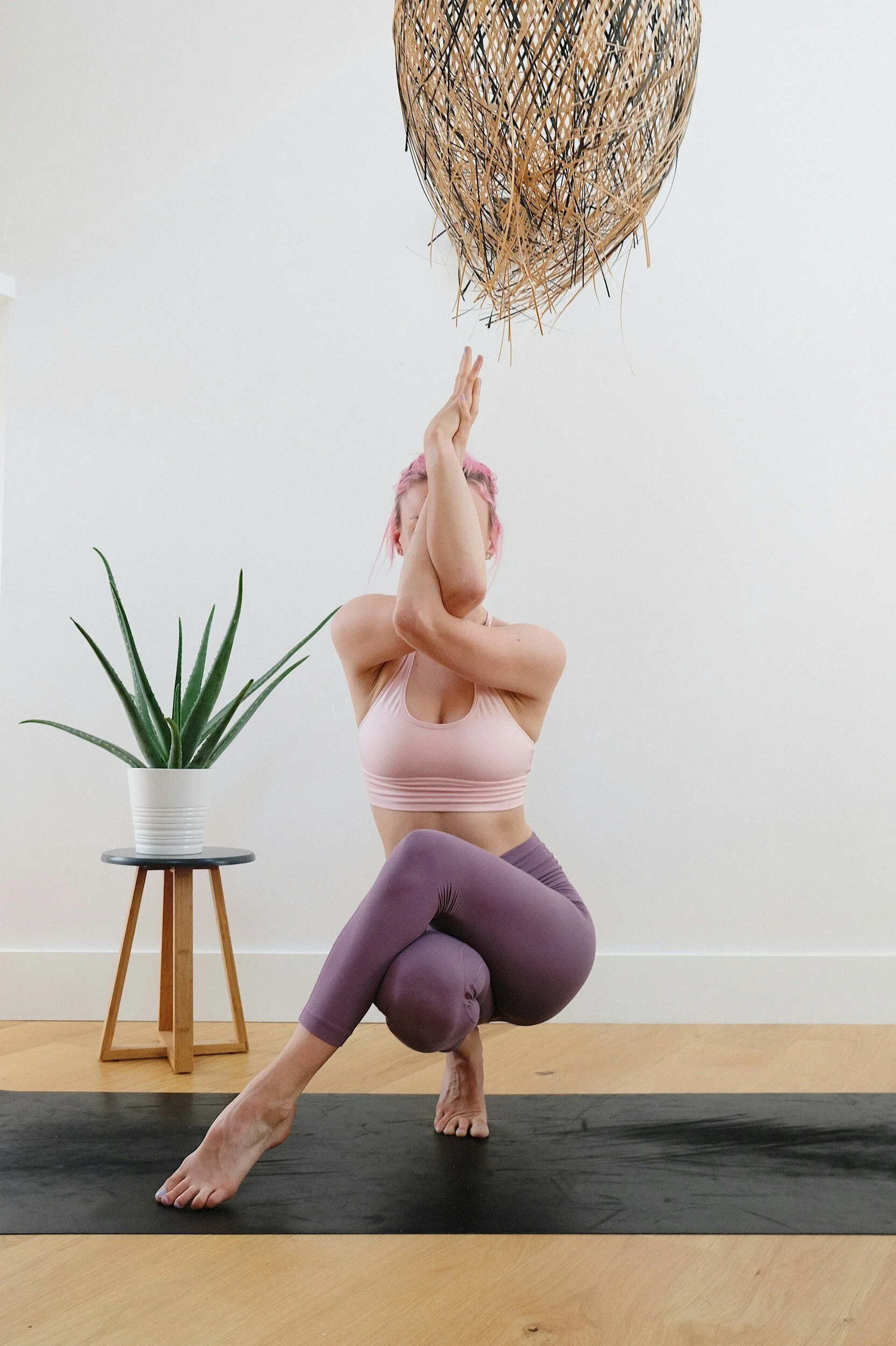
The Best Time Of Day To Practice Yoga
Discovering the best time to practice yoga is about finding what suits your schedule and choosing a time that will work 2-3 times a week so you can really feel and experience the benefits of a steady practice.
While many opt for morning or post-work sessions, consider the hidden gem: lunchtime yoga.
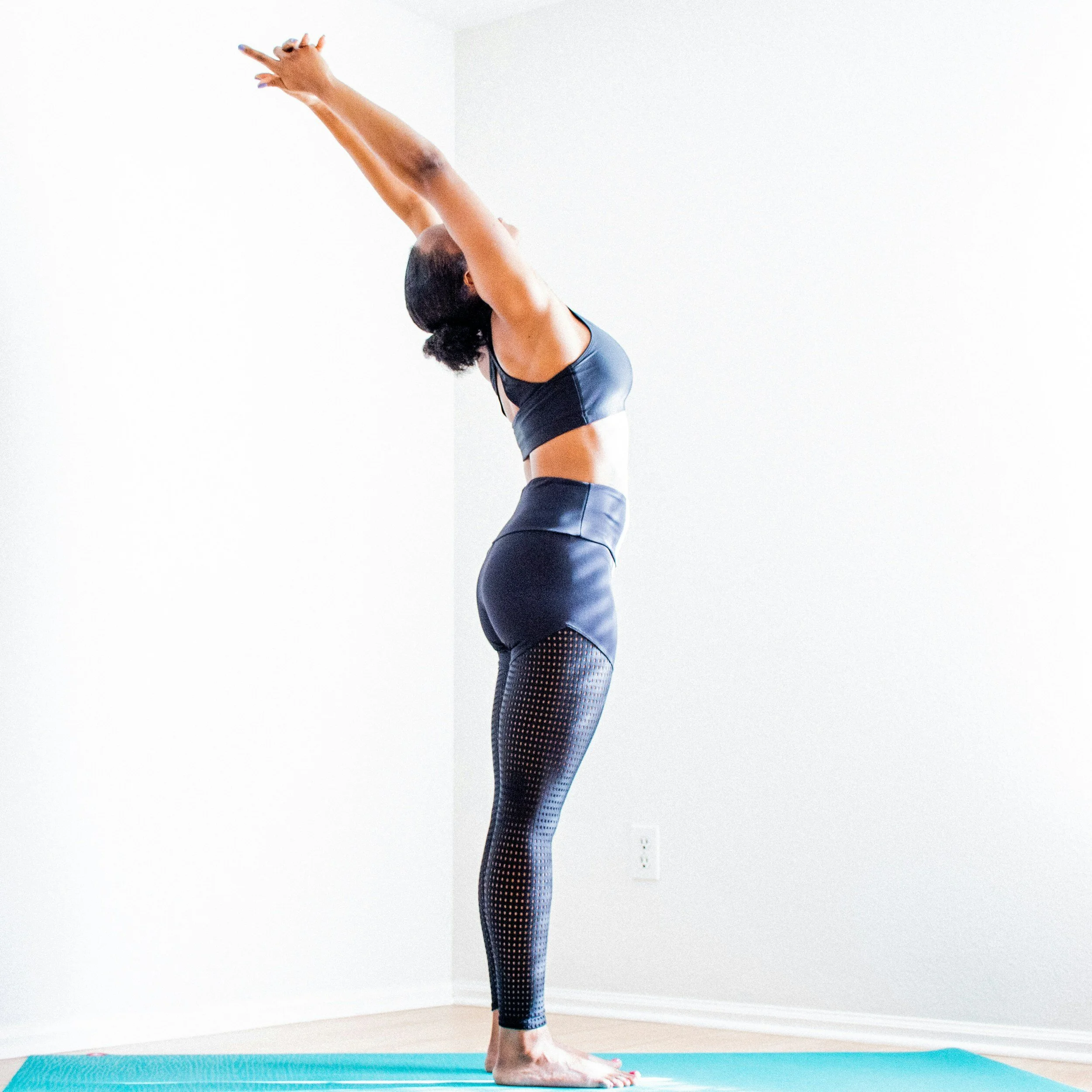
Discovering the best time to practice yoga is about finding what suits your schedule and choosing a time that will work 2-3 times a week so you can really feel and experience the benefits of a steady practice.
While many opt for morning or post-work sessions, consider the hidden gem: lunchtime yoga.
Not only does it offer a break in the middle of the day, providing a refreshing pause for mind and body, but midday classes tend to be less crowded, creating a more spacious and personalized experience. This unique time slot also presents an ideal opportunity to replace that afternoon caffeine fix or sugar craving with a rejuvenating yoga session.
By integrating a lunchtime yoga routine, you not only boost productivity and foster a positive work environment but also infuse your day with a perfect blend of relaxation and energy. Here are some of our favorite benefits that your boss will love!
Stress Relief: 🧘♂️ Yoga's stress-relieving benefits lead to better emotional well-being, ensuring a more resilient and composed approach to work challenges.
Foster Creativity: 🎨 Yoga stimulates creative thinking, providing a fresh perspective on tasks and fostering innovative solutions.
Health and Wellness: 💪 Regular yoga improves overall health, reducing sick days, boosting energy levels, and promoting a positive outlook.
Team Building: 🤝 Group yoga classes cultivate a sense of community among colleagues, strengthening workplace relationships.
Posture Improvement: 🧍♂️ Combat sedentary work issues with yoga, promoting flexibility and strength for better posture and overall comfort.
Work-Life Balance: ⚖️ Dedicate time to self-care during lunch for a healthier work-life balance, contributing to both personal and professional well-being.
Boost Productivity: 🚀 Incorporating a short yoga class during lunch refreshes the mind, enhancing focus and productivity in the afternoon.
Now here’s the best part. We’re launching our lunchtime classes! Available in person or…via zoom. Treat yourself to the perfect mid day break by clicking here and we’ll make sure to end your class with some delicious organic tea before you head back to the office!

Future Self Meditation
Meditation: Meeting Your 80-Year-Old Self
Preparation
Find a quiet, comfortable space. Sit or lie down, close your eyes, and take a few deep breaths. With each exhale, feel yourself relaxing more deeply, grounding in the present moment.
Journey to Meet Your Future Self
Visualize a pathway unfolding before you, leading through a tranquil landscape. Each step brings a sense of peace and expectancy. Observe the rich details around you—the softness underfoot, the gentle touch of the breeze, the calming natural sounds.
Ahead lies a cozy, welcoming space. As you draw nearer, you realize your 80-year-old self is there, waiting with a warm, knowing smile.
Conversation with Your Future Self
Your future self greets you, their eyes reflecting wisdom and kindness. Take a moment to notice their appearance—their attire, expressions, and the aura of calmness and fulfillment they radiate. You may also notice what they are wearing, and even details of the space around you. The colors of the walls. The texture of the furniture. Aromas from the kitchen….art on the wall. Take a moment to take it all in.
They invite you to sit, and you engage in a heartfelt conversation. Listen as they share insights from a life well-lived. You may even a question or perhaps seek advice. Perhaps they share some sage advice or reassurance like:

Meditation: Meeting Your 80-Year-Old Self
Preparation
Find a quiet, comfortable space. Sit or lie down, close your eyes, and take a few deep breaths. With each exhale, feel yourself relaxing more deeply, grounding in the present moment.
Journey to Meet Your Future Self
Visualize a pathway unfolding before you, leading through a tranquil landscape. Each step brings a sense of peace and expectancy. Observe the rich details around you—the softness underfoot, the gentle touch of the breeze, the calming natural sounds.
Ahead lies a cozy, welcoming space. As you draw nearer, you realize your 80-year-old self is there, waiting with a warm, knowing smile.
Conversation with Your Future Self
Your future self greets you, their eyes reflecting wisdom and kindness. Take a moment to notice their appearance—their attire, expressions, and the aura of calmness and fulfillment they radiate. You may also notice what they are wearing, and even details of the space around you. The colors of the walls. The texture of the furniture. Aromas from the kitchen….art on the wall. Take a moment to take it all in.
They invite you to sit, and you engage in a heartfelt conversation. Listen as they share insights from a life well-lived. You may even a question or perhaps seek advice. Perhaps they share some sage advice or reassurance like:
Embrace the Moment: "Cherish each moment, dear one. The present is precious and fleeting. Live fully, love deeply, and let the trivial things slide."
Follow Your Heart: "Trust your intuition. It's the gentle whisper of your soul, guiding you through life's journey. Your heart knows the way."
Cultivate Gratitude: "Acknowledge your blessings, not your troubles. Gratitude turns what we have into enough, and more."
Connect Deeply: "Foster your relationships. They are the threads that weave the rich tapestry of your life."
Embrace Change: "Life is a continuum of change. Flow with it, grow with it, and remember that every ending is also a new beginning."
Reflection and Return
After your conversation, take a moment to reflect on their words. Feel the love and wisdom they've shared with you. When you're ready, gently walk back along the path, bringing their insights and warmth with you into the present.
Slowly become aware of your surroundings, your breath, and when you're ready, open your eyes, carrying the wisdom of your 80-year-old self into your current life.

Harmony of the Heart: Cultivating Your Sankalpa into a Living Affirmation
Does your yoga teacher ask you to set an intention at the beginning of class? Here’s a thoughtful way to consider what intentions may be helpful to you in class and beyond. In yoga we call these special intentions Sankalpa,
The Sanskrit term "Sankalpa" (संकल्प) can be translated to mean "intention," "will," "purpose," or "determination." It refers to a heartfelt desire or a solemn vow that aligns with one's highest truth and is often used in the context of setting a deep, spiritual intention or resolution.
Sankalpa (संकल्प) is more than an intention; it's a sacred vow, a commitment to align your life with the deepest desires of your heart. It’s about embracing who you are and nurturing who you are becoming, all with the loving embrace of self-compassion and the empowering spirit of self-belief. 🌷
Here's how you can craft a Sankalpa that resonates with the symphony of your soul……
STEP 1: CULTIVATE A SPACE OF SERENITY
Find a quiet corner where you can be with your thoughts. Let it be a space where you can feel safe, supported, and free to explore the depths of your inner world. Light a candle or incense to signify the start of this sacred practice. 🕯️
STEP 2: CONNECT WITH YOUR INNER WISDOM
Sit comfortably, close your eyes, and take a few deep, nourishing breaths. Feel each breath grounding you, connecting you to the present, and opening the doors to your inner sanctuary. Place a hand over your heart as a reminder that this journey is led by the heart's wisdom, not the mind's noise. 💖

Does your yoga teacher ask you to set an intention at the beginning of class? In yoga we call these special intentions Sankalpa.
The Sanskrit term "Sankalpa" (संकल्प) can be translated to mean "intention," "will," "purpose," or "determination." It refers to a heartfelt desire or a solemn vow that aligns with one's highest truth and is often used in the context of setting a deep, spiritual intention or resolution.
Sankalpa (संकल्प) is more than an intention; it's a sacred vow, a commitment to align your life with the deepest desires of your heart. It’s about embracing who you deep down inside and nurturing who you are becoming, all with the loving embrace of self-compassion and the empowering spirit of self-belief. 🌷
Here's how you can craft a Sankalpa that resonates with the symphony of your soul……

Step 1: Cultivate a Space of Serenity
Find a quiet corner where you can be with your thoughts. Let it be a space where you can feel safe, supported, and free to explore the depths of your inner world. Light a candle or incense to signify the start of this sacred practice. 🕯️
Step 2: Connect with Your Inner Wisdom
Sit comfortably, close your eyes, and take a few deep, nourishing breaths. Feel each breath grounding you, connecting you to the present, and opening the doors to your inner sanctuary. Place a hand over your heart as a reminder that this journey is led by the heart's wisdom, not the mind's noise. 💖
Step 3: Listen to Your Heart's Desires
Ask yourself, "What does my heart long for? What’s a beautiful and powerful vision for my life in the year ahead. In the next 5 or even 10 years. What is my truth?" Listen. Not just with your ears, but with your whole being. 🌱
Step 4: Frame Your Sankalpa
Shape your heart's whisper into a positive, present-tense affirmation. It should resonate with your core, vibrating with the energy of an already accomplished truth. Here are some examples to inspire you:
For Health and Well-being:
"I nourish my body with healthy food, and my body responds with vitality and energy."
"I am worthy of love and respect from myself and others."
"Every day, I am growing stronger and more confident in my abilities."
"With every breath, I invite peace and calm into my body and mind."
For Career and Professional Life:
"I am a magnet for success, attracting opportunities that align with my skills and passions."
"I communicate clearly and confidently, contributing positively to my workplace."
For Relationships and Emotional Well-being:
"I foster relationships that are based on mutual respect, love, and understanding."
"I release past hurts and embrace the present with an open and forgiving heart."
For Creativity and Expression:
"Creativity flows through me effortlessly, finding expression in all areas of my life."
"I courageously share my unique talents and insights with the world."
For Spiritual Growth and Inner Peace:
"I am connected with the deeper wisdom and peace within me, guiding my every step."
"I live each moment with mindfulness and gratitude, cherishing the beauty of life."
When creating your own Sankalpa, ensure it resonates with your inner truth and reflects your personal journey towards growth, fulfillment, and well-being. Remember, a Sankalpa is not just a goal or an affirmation; it's an expression of your deepest intentions and the essence of your being, guiding you towards living a life aligned with your true self.
Step 5: Seal Your Sankalpa
With your Sankalpa firmly held in your heart, visualize it taking root within you. See it as a vibrant light, growing brighter with each breath. Feel its truth permeating every cell of your body, every corner of your life. 🌟
Step 6: Live Your Sankalpa
Let your Sankalpa guide your thoughts, words, and actions. It's not just a statement; it's a way of being, a path that you walk every day. Journal about it, create art inspired by it, or simply let it be the silent, guiding star in your daily life. 🌼
Remember, your Sankalpa is a reflection of your true self. It's a journey back to your essence, a dance with the divine. Embrace it with patience, nurture it with love, and let it unfold in its own beautiful time. You are the artist of your life, and your Sankalpa is your masterpiece. 🎨✨
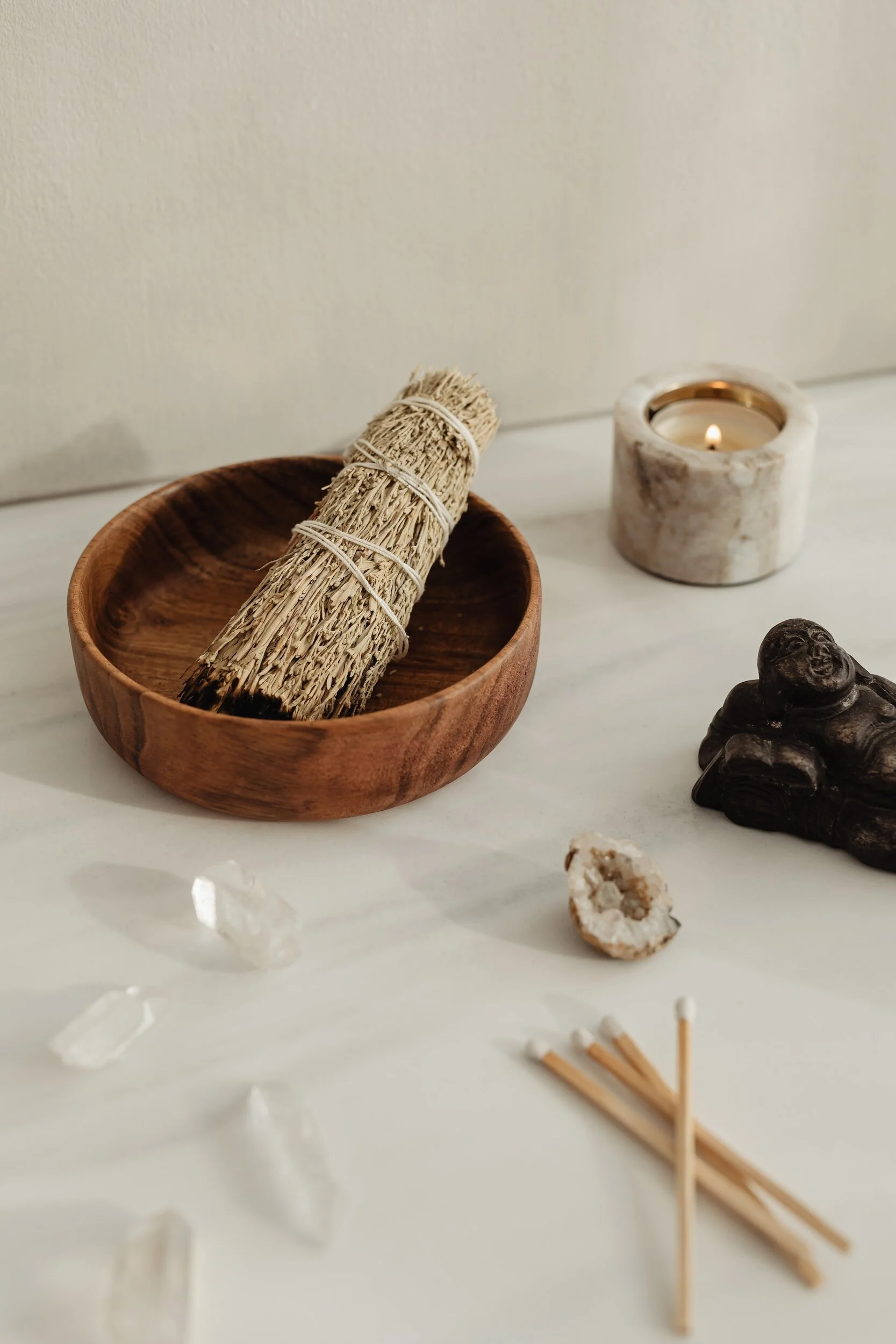
Little Altars Everywhere - Creating Sacred Spaces In Your Home
A sacred space is more than just a physical spot in your home. It's a sanctuary for your soul, a place where the hustle of life fades into the background, allowing you to center yourself in the present moment. Every time you walk by or gaze upon your sacred space, it invites you to take a breath, to drop the weight of your thoughts, and to honor the sacredness of 'now'.
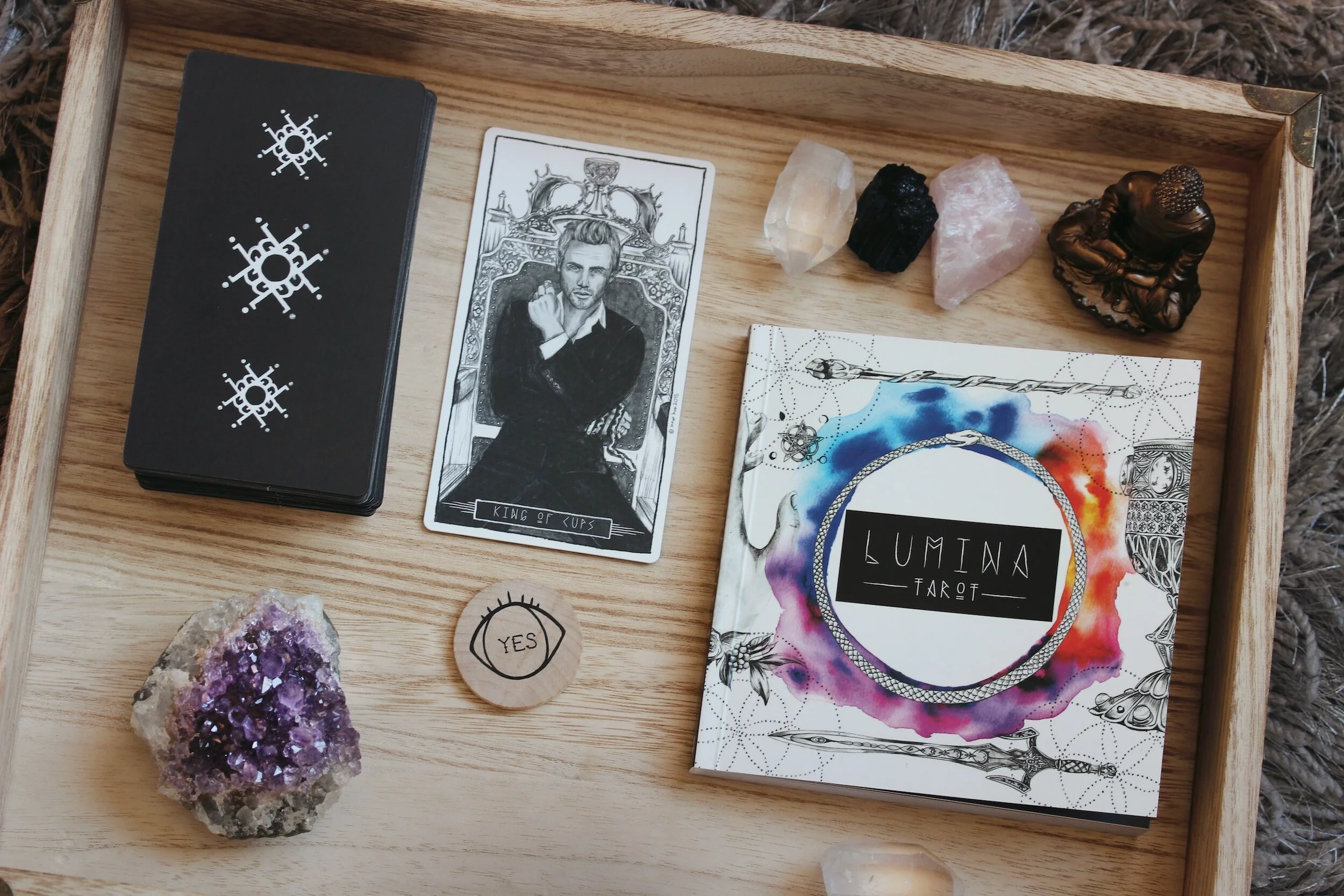
Creating Sacred Spaces: A Gateway to Mindfulness and Connection
In the gentle journey of self-discovery and inner peace, our surroundings play a crucial role in nurturing our spiritual well-being. Creating a sacred space or an altar in our homes can become a profound practice, a physical manifestation of our inner world, and a testament to the things that matter most to us. Through mindfulness and acceptance, we can transform our lives.
These sacred spaces serve as serene anchors, reminding us to pause, breathe, and reconnect with our true essence.
The Essence of Sacred Spaces
A sacred space is more than just a physical spot in your home. It's a sanctuary for your soul, a place where the hustle of life fades into the background, allowing you to center yourself in the present moment. Every time you walk by or gaze upon your sacred space, it invites you to take a breath, to drop the weight of your thoughts, and to honor the sacredness of 'now'.
Intentionality in Creation
Creating a sacred space begins with intention. It's a personal journey, a reflection of your unique path and what speaks to your heart. You might choose a quiet corner for meditation or an area that catches the morning sun, offering warmth and light. The location itself holds meaning, setting the stage for tranquility and reflection.
Elements of Your Sacred Space
In your sacred space, every item is a symbol, a gentle reminder of what truly matters. Consider these elements:
Family Photos: Images of loved ones serve as a reminder of the interconnected web of life and the bonds that ground and sustain us.
Nature's Gifts: Items collected from nature walks—be it a smooth stone, a feather, or a dried leaf—remind us of the earth's raw beauty and the cycle of life.
Tokens of Gratitude: Objects that symbolize gratitude, milestones, or cherished memories anchor us to what's significant, serving as tangible expressions of our life's journey.
Inspirational Words: Quotes or affirmations that resonate with your spirit can be powerful motivators and comforters, echoing the wisdom that guides you.
Crystals and Symbols: Many find crystals, with their unique energies and properties, to be powerful tools for healing and intention-setting. Symbols from various spiritual traditions can also connect us to a collective consciousness and heritage.
The Power of Presence
Your sacred space is a living, breathing altar to your inner world. As you pass by or spend time in this space, allow it to be a gateway to mindfulness. Let it remind you to take a conscious breath, to feel the ground beneath your feet, and to acknowledge the here and now.
"The sacred is in the ordinary... it is to be found in one's daily life, in one's neighbors, friends, and family, in one's backyard." Your sacred space is a testament to this truth, a daily reminder that in every moment, there is an opportunity to reconnect with the sacredness of existence.
As you embark on this journey of creating your sacred space, do so with gentleness and an open heart. Let it evolve with you, reflecting your growth, your dreams, and the ever-unfolding dance of life. Here, in your personal sanctuary, may you find peace, inspiration, and a deep, resonant connection to what matters most.