
Earthworms by Lynn Ungar
A poem for Spring read in Shawn’s class today.
Earthworms by Lynn Ungar

Earthworms
by Lynn Ungar
Imagine. The only thing that
God requires of them
is a persistent, wriggling, moving forward,
passing the earth through
the crinkled tube of their bodies
in a motion less like chewing
than like song.
Everything they encounter
goes through them,
as if sunsets, drug store clerks,
diesel fumes and sidewalks
were to move through our very centers
and emerge subtly different
for having fed us — looser somehow,
more open to the possibility of life.
They say the job of angels
is to sing to God in serried choirs.
Perhaps. But most jobs
aren’t so glamorous.
Mostly the world depends upon
the silent chanting underneath our feet.
To every grain that enters: “Welcome.”
To every parting mote: “Be blessed.”
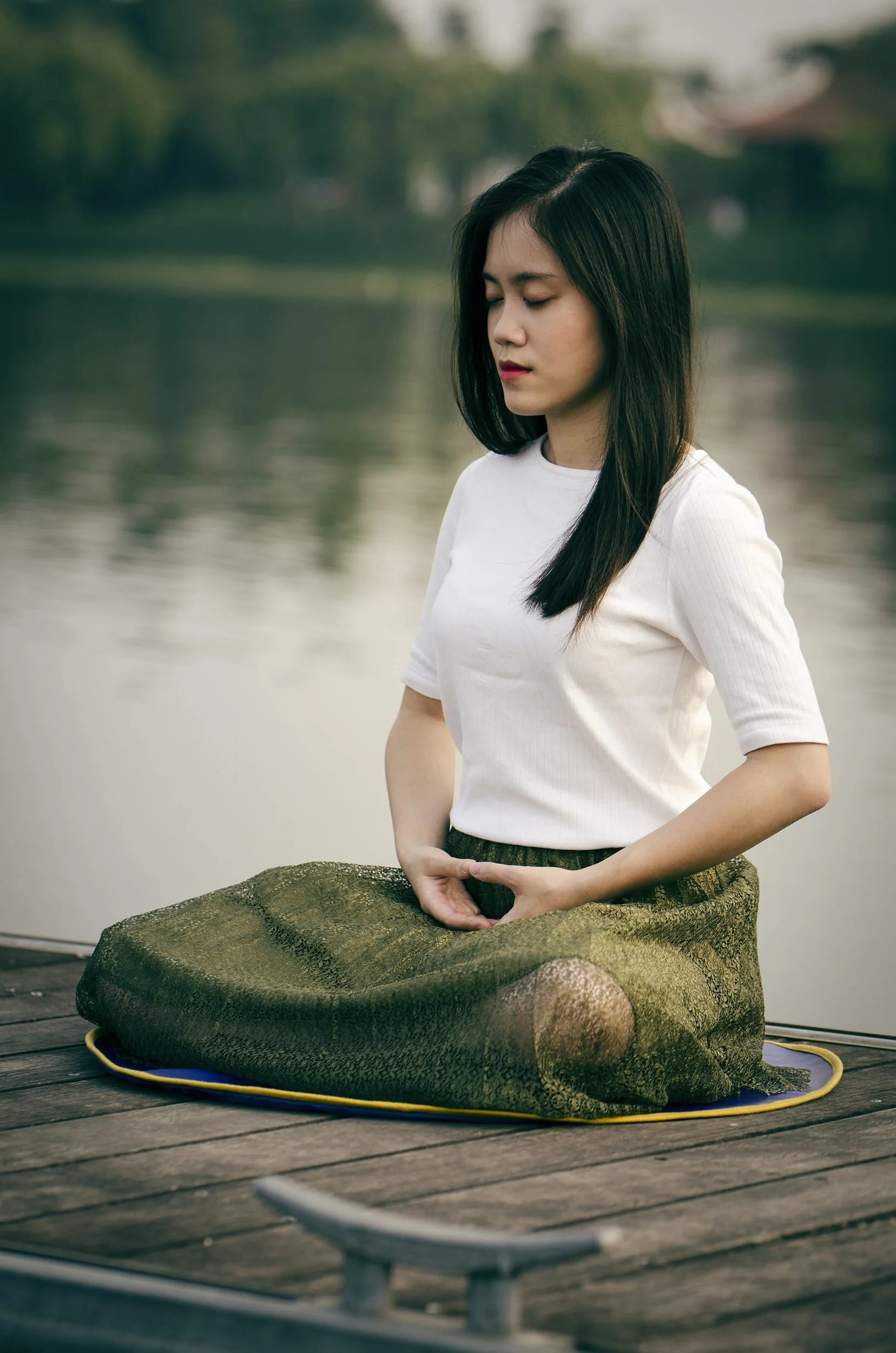
Calming Breath You Can Do Any Time
Try this 30-second calming breath whenever you need to feel more relaxed.
You can practice this breath anywhere, anytime - seated, standing, or reclined - whenever you need a moment for yourself to find some peace and calm.
To practice, first, take a moment to notice whatever is supporting your body right now. It could be the flooring underneath your feet, your yoga mat resting on the floor, the chair you're sitting on…. Now see if you can find length in your spine and gently close your eyes, or soften your gaze. Observe your breath exactly how it is right now, without trying to change it.
Try this 30-second calming breath
You can practice this breath anywhere, anytime - seated, standing, or reclined - whenever you need a moment for yourself to find some peace and calm.
To practice, first, take a moment to notice whatever is supporting your physical body right now. It could be the flooring underneath your feet, your yoga mat resting on the floor, the chair you're sitting on…. Once you observe this support, go ahead and find some length in your spine by sitting up taller or stretching the body long. Gently close your eyes, or soften your gaze. Observe your breath exactly how it is right now, without trying to change it. After a few cycles of breath, begin to breathe in for a count of four and out for a count of four. With an even steady count, continue this rhythm a few rounds. If you feel like you can extend the count to 5, 6, or even 7, go ahead and do this - as long as the breath remains easy & soft- without any strain. When you feel ready, return to your breath hopefully feeling calmer!

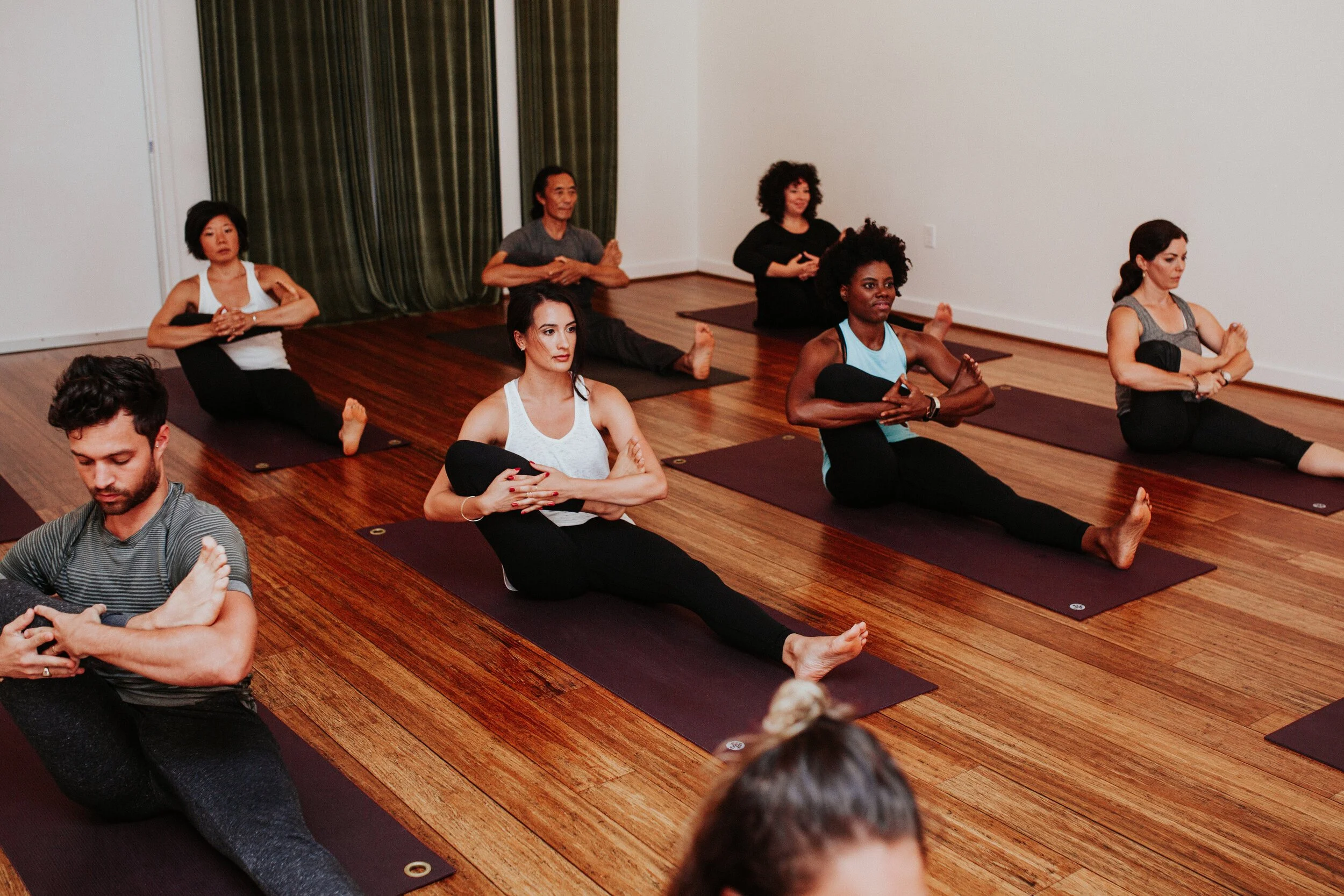
Thinking About Teacher Training? Here's 7 Tips To Help You Decide
The number of people practicing yoga each year continues to grow and the need for yoga teachers is still going strong including opportunities outside of the traditional yoga studio space. Hospitals, schools, companies & municipalities are all expanding to include yoga as a resource for their communities as a helpful tool for wellbeing.
If you’ve been considering yoga teacher training and you’re trying to figure how how to choose the best program for you - we’ve created this list that will help you decide. And while this list highlights some strengths of Flow’s own program, you’ll also find it as a helpful resource to consult for any program you may be looking at!
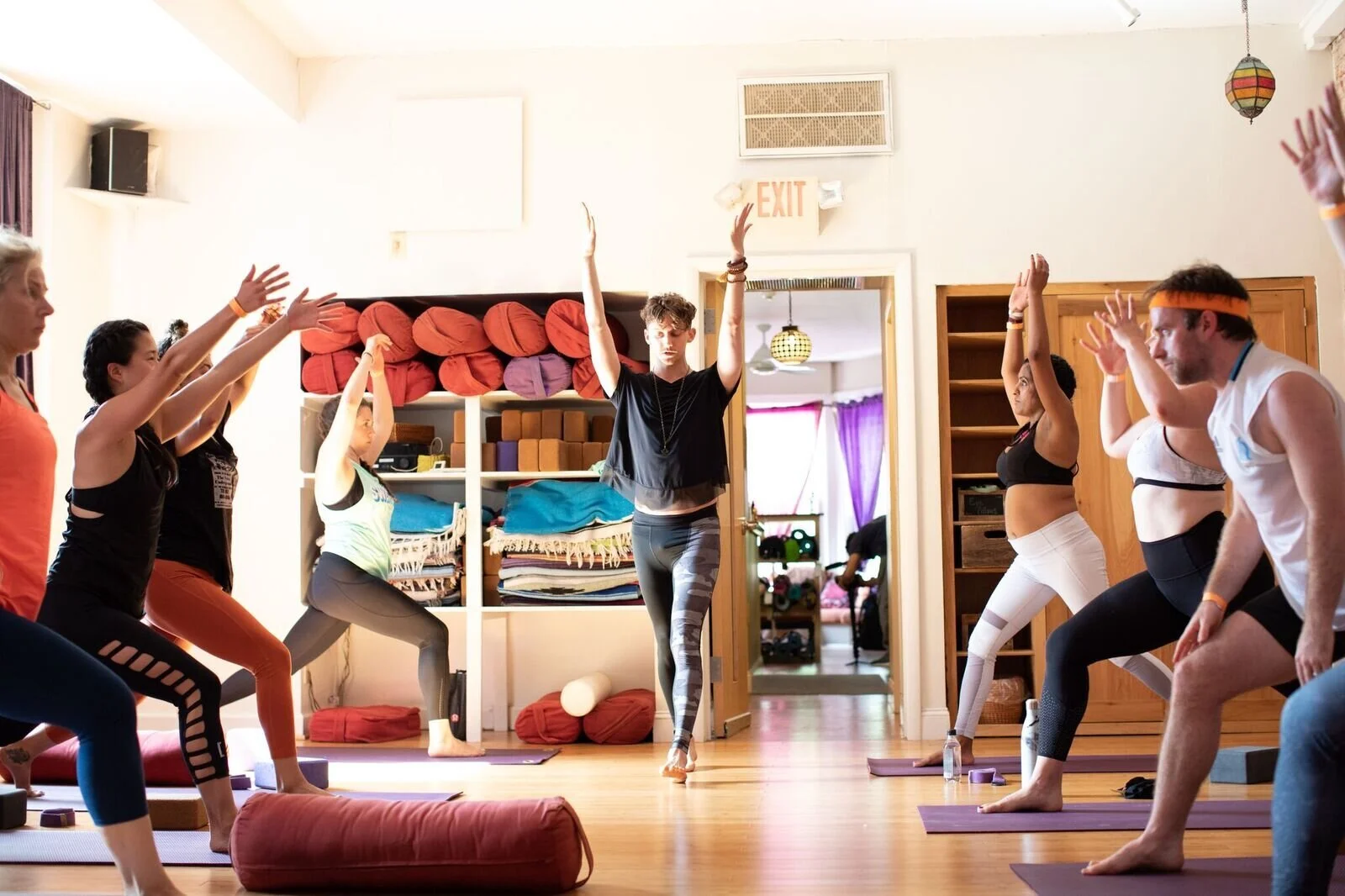
Yoga Journal’s latest Yoga in America survey, by Sports Marketing Surveys, shows 8.7 percent of Americans are practicing yoga—that’s 20.4 million Americans, up from 15.8 million in 2004. Yoga is no longer considered esoteric or strange by outsiders and in this survey, even 44 percent of those who don’t currently practice yoga said they aspire to one day. Huffington Post pointed out, more than a third of those practicing, 38.4 percent, have practiced for less than a year, and 44 percent considered themselves beginners, showing that new yogis are replacing those that drop out. Only 32.7 percent had practiced more than three years, and only 15.6 percent considered themselves experts.
The number of people practicing yoga each year continues to grow and the need for yoga teachers is still going strong including opportunities outside of the traditional yoga studio space. Hospitals, schools, companies & municipalities are all expanding to include yoga as a resource for their communities as a helpful tool for wellbeing.
If you’ve been considering yoga teacher training and you’re trying to figure how how to choose the best program for you - we’ve created this list that will help you decide. And while this list highlights some strengths of Flow’s own program, you’ll also find it as a helpful resource to consult for any program you may be looking at!
7 Tips To Consider When Choosing A Yoga Teacher Training Program
1. Timing…
Making the commitment to bring yoga more fully into your life not easy. It’s always a balancing act to figure out how to get all the things you need to get done…done, and to learn to prioritize doing more of what you love. One of the magical things about a steady yoga practice is that once you commit you’ll start to notice it actually HELPS you to get clear on your priorities and what matters most!
A YTT (Yoga Teacher Training) is typically 200 hours consisting of group sessions, lectures, plus a lot of yoga & meditation practices in between. Many teacher trainings are held over weekends with some schedule variations but the commitment does not stop there. There’s homework, book reports, and group projects outside of the scheduled hours. In our training, we ask that yogis practice at least 2-3x a week.
Before you jump into a training we always recommend taking an honest look at your own schedule to see if you can shift things to make space. It’s a big investment (with huge returns!) so you’ll want to make sure you give it your best. This may mean you need to shift commitments, finding sitters for your kids & dogs, wake up a little earlier, or even put something else on pause. The good news is most of our trainees report that when they look at how they spend their time, small changes like skipping social media and going to bed a little bit earlier creates a more spacious schedule so they can take the time to participate without worry.
2. Your current yoga practice…
We often hear “I don’t know if my practice is good enough to take training - I've only been practicing a few years! I can't do a headstand/wheel pose/etc. “
While we do recommend at least 2 years of yoga practice before diving in, there are no specific yoga poses you have to worry about being able to do perfectly - that's not what this is about! In fact, we spend quite a bit of our time together breaking down the essential yoga poses & figuring out how all levels of experience can access them comfortably - because we want to make sure that yoga is truly for alll!
3. The schedule and real-life….
Don’t worry, most people miss at least some portion of their teacher training - from an unexpected few hours when a headache or cold hits you, to one or two full weekends you may know ahead of time you already can't make. A good program has a solid plan for making up missed content so that you’ll get all you need to feel prepared to graduate. One highlight of Flow’s own program is that once you are in a program, you’ll get access to the content of future programs - aka you’re a lifer - which is perfect if you’d like to make up any missed content or revisit and get a refresh. Each session is also recorded which means even if you miss content, you’ll get access to a full zoom recording so you can keep up & review any missed content.
4. You may (or may not!) want to teach yoga and that’s ok!
You’ll probably find half of your class is unsure about whether or not they want to teach. Many who join YTT do it because they love yoga and want a deeper understanding of the practice. As a teacher, it’s always fun to watch the training experience unfold, and minds change along the way! I personally had no intention of teaching - ever. Fast forward 20 years, not only have I made it my career, but I’ve also opened 2 studios and a thriving corporate program too!
Whether or not you ever officially teach yoga, you’ll graduate with the tools to teach or simply share yoga with friends, family, and your community, and all you need to make yoga a constant, steady companion throughout your life.
5. Quality & content count
Finding the right training is everything! You’re about to invest your money and time into something you’ve probably been dreaming about for a while. Here are our best suggestions:
Look at the reviews. We’re not talking about the quotes & testimonials that you see on the studios/teachers’ website. The Yoga Alliance website is the place to go to to see honest graduate reviews about the experience they had in a program.
Ask your school if you can speak directly with graduates of their program. Ask them about:
…their experience including how they were supported during and after the training
…opportunities to assist in classes, sub, or even teach including placement & referrals
...if they would recommend the training to a friend
Ask to see the syllabus. You'll be in training for 200 hours so you’ll want to make sure the content matches your expectations & their marketing. You can also compare it to the Yoga Alliance’s outline of what they recommend to be included in teacher training.
Meet the teachers who will be part of the training. Be wary if the training has many different teachers that have not led a training together before or if a lot of the content is parsed out to outside teachers that you’ll never see again. Each training should have a lead teacher that is present for the majority of the sessions- even if they are not personally leading the specific content. I once took a training where each week a new teacher would “lead” the sessions by topic and they had no idea about what we did the previous weeks or what came next! It felt very disjointed and because there was always a new teacher - and we didn’t have the opportunity to build relationships with them, and many didn’t even take the time to get to know our names.
Take a class with the teachers who will be guiding the training before committing. This is how you’ll get the pulse of what your experience will feel like. When you take their class, consider how well you feel like you connect with them. Were they present and engaged?
6. Online vs In-Person Training & the challenge with shorter Month Long Trainings
While online trainings can be enjoyable and convenient ways to study yoga, they can never truly substitute for the in-person experience. So much is missed in on-demand or online-only formats. Many of our trainees come to us after trying online programs, realizing they didn't gain the necessary skills to be fully prepared to teach. In-person training offers the hands-on experience and personal interaction that are crucial for becoming a confident and effective yoga teacher.
Another popular format is a month long intensive. While these can be fun, learning to teach and integrate what you’ll learn takes time and practice. While we used to offer these shorter training opportunities, even in fun locatiobns, we’ve found over the years, that a teacher training journey needs to be at a minimum 3 months to really work.
7. There is a lot of talk about dismantling traditional teacher training and a call to address cultural appropriation, racism, and social justice. How will your training address this?
A relevant & meaningful training program needs to include modules and a throughline that address appropriation, racism, trauma-related teaching tools, and social justice deeply rooted in the yoga & wellness world. We are so grateful for the diverse backgrounds of our teaching staff who will bring these topics to light as we explore challenges in the “wellness” industry that often caters to specific body types & demographics. We believe any worthwhile training will foster these conversations and take responsibility for shifting the paradigm & reality of who has access to yoga & wellbeing.
Here’s a great list of questions you’ll want to ask any prospective program:
If you’ve been considering training - here are a few inquiries we recommend to assess the strength of the program. Remember - any teacher training worth of your time and investment should be led with utmost integrity, depth, and the highest standards.
How long has the program been around? Does the program “accept” everyone that applies or is there an interview/vetting process? How many “teachers” have graduated from the program? Where are they currently teaching?
Who are the teachers leading the training - and what are their experience/credentials. Did they write the curriculum? Who are their teachers? Where did they do their training? How many trainings have they led?
What is the specific format of the training? Is it led by the main teacher or mostly guest teachers?
Is the training based on a system of yoga? Who is the leader of the system?
How does the training address cultural appropriation and the social injustices that can be found in the current world of wellness?
What is the expectation for your attendance and workload outside of the training? How do they handle missed sessions?
What kind of support will you get upon completion of the program?
Is the program associated with the Yoga Alliance? Make sure you compare the Yoga Alliance criteria to the training schedule to assess if the syllabus is actually meeting the standards including the full 200 hours. You can also take a look at Yoga Alliance reviews - each trainee is asked to rate & remark on the training upon graduation.
Does the school have advanced training to explore, like a 300-hour training and continuing education credits if you would like to further your studies?
Finally, make sure you talk to program graduates to help give you insight into their training experience.
If you’re curious to learn more about Flow’s upcoming program explore this page and get a free class to see what it is like!
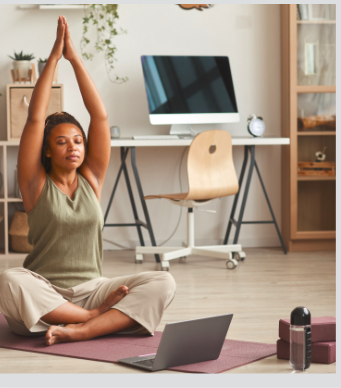
3 Tips To Elevate Your Zoom Class Experience
Can zoom ever replace that feeling of taking classes together IRL? Our tips on how to make the most of zoom may help!
The landscape of yoga & fitness classes has changed in the past 6 months. And while embracing zoom may not be our first choice, here are some ways to make the best of the situation and some perks of practicing at home too! Debra Mishalove, founder of DC’s Flow Yoga Center & workFlow Wellness shares her favorite tips.
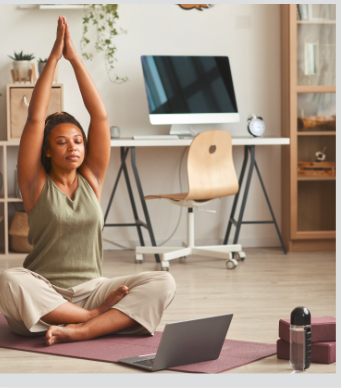
1.
Create A Special Place To Practice
Keep it simple. I keep my supplies in a basket so I can quickly transform my space into a home studio. My favorite place to practice is my kitchen! Options you can include:
- Yoga mat
- Blanket & pillows for extra support
- Candles or plants
- Props like soup cans for weights & a belt
- Essential oils (lavender for calm, rosemary for energy!)
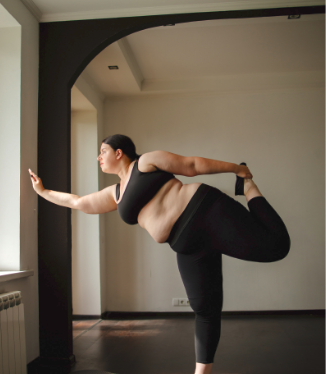
2.
Your Mind & Muscles Thrive On Variety!
Plan your schedule for the week ahead by taking an honest look at how you’re feeling and what may serve you best to help you make your class choices. Variety & creativity are key for building positive change & healthy habits. All of our classes come with a recording just in case your schedule changes. My favorite week includes these classes:
Monday - Vinyasa Flow
Tuesday- Cardio Barre
Wednesday - Yoga For Strength & Flexibility
Thursday - Flow Fit
Friday - Happy Hour Yoga
Saturday - Align & Flow
Sunday - Yoga For Peace & Calm
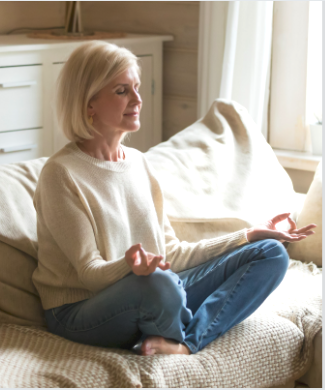
3.
Become Friends With Zoom
Zoom may not be your first choice but can’t beat the convenience. Practicing in your pjs, no parking struggle have their perks.
A few ways help you recreate that studio feel:
-Turn on your screen & add your first name so your teacher can get to know you! With this 2-way relationship you’ll feel more connected and get more support to grow in your practice.
- Use the chat box! Special requests? Need tech help? Or want your teacher to know about a special condition or injury you are dealing with? Send a pre-class chat to your teacher or our online producer for any support you need.
Ready to try some zoom classes? Flow’s Intro Special gives you 2 Weeks of Unlimited classes for $25!
This will give you access to our expansive online class schedule, Flow’s team of talented teachers, and our amazing community full of inspiration and motivation.
All of our classes are currently live stream, so you can join us from where ever you are!

Watermelon Sorbet (or Mango, or Peach!)
This is our favorite & super easy watermelon sorbet recipe. You can substitute with mango, peaches, blueberries too!

This is the easiest and best sorbet! (adapted from SweetPea Gourmet)
Here’s What You’ll Need:
3 1/2 cups fresh seedless watermelon chunks which is about 1/2 medium watermelon
2 tsp lime juice, freshly squeezed is the best!
a little warm water, as needed
a few mint leaves for the garnish!
if you want to sweeten the whole thing up (we doubt you’ll need it) add in some raw honey or stevia
How To:
Freeze watermelon chunks overnight. You can put in a ziplock bag or any freezable container.
Add the frozen watermelon chunks in your blender. Then toss in the lime juice. Before you turn it on…let it sit for a few moments to slightly thaw (5 min!)
Now, get blending! If it gets stuck, this is where a little warm water comes in - add it and use your spatula to help it along. l
Now’s the good part— you get to eat it! If you want a harder texture- you can pop it back into the freezer in freezer-safe container and enjoy more later!