
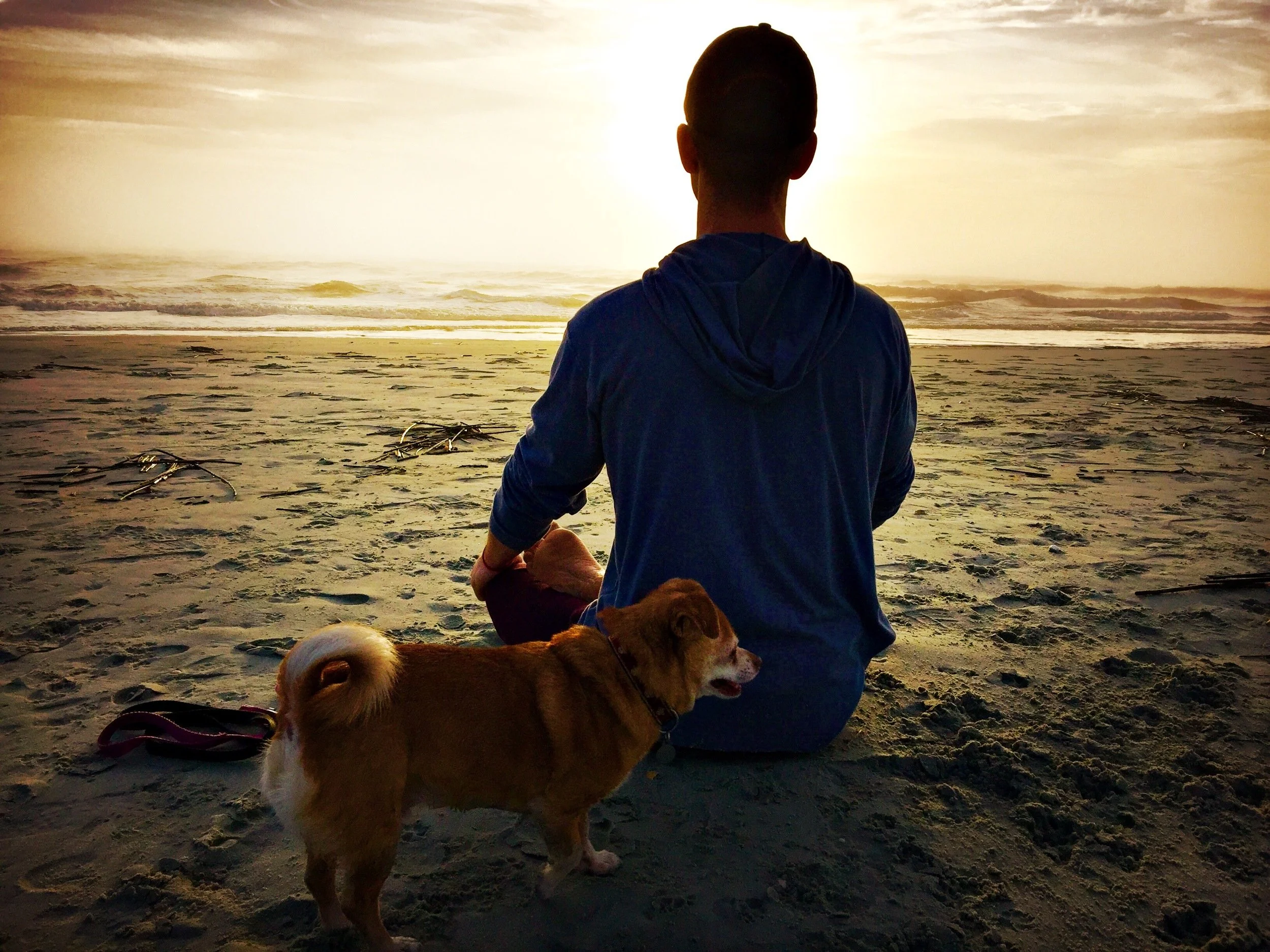
Jai India! Birdsong brings relief.....
Birdsong by Rumi
Birdsong brings relief
to my longing
I'm just as ecstatic as they are,
but with nothing to say!
Please universal soul, practice
some song or something through me!
I’ve never really been able to “get into” poetry. I’ve tried. Many times, and with various motivations ranging from thinking that I “should” like it to hoping that I might feel something. And there have been a few occasions where it hit home. Like the time our dear friend Becky wrote a heartfelt poem and read it at our wedding. That was a special moment.
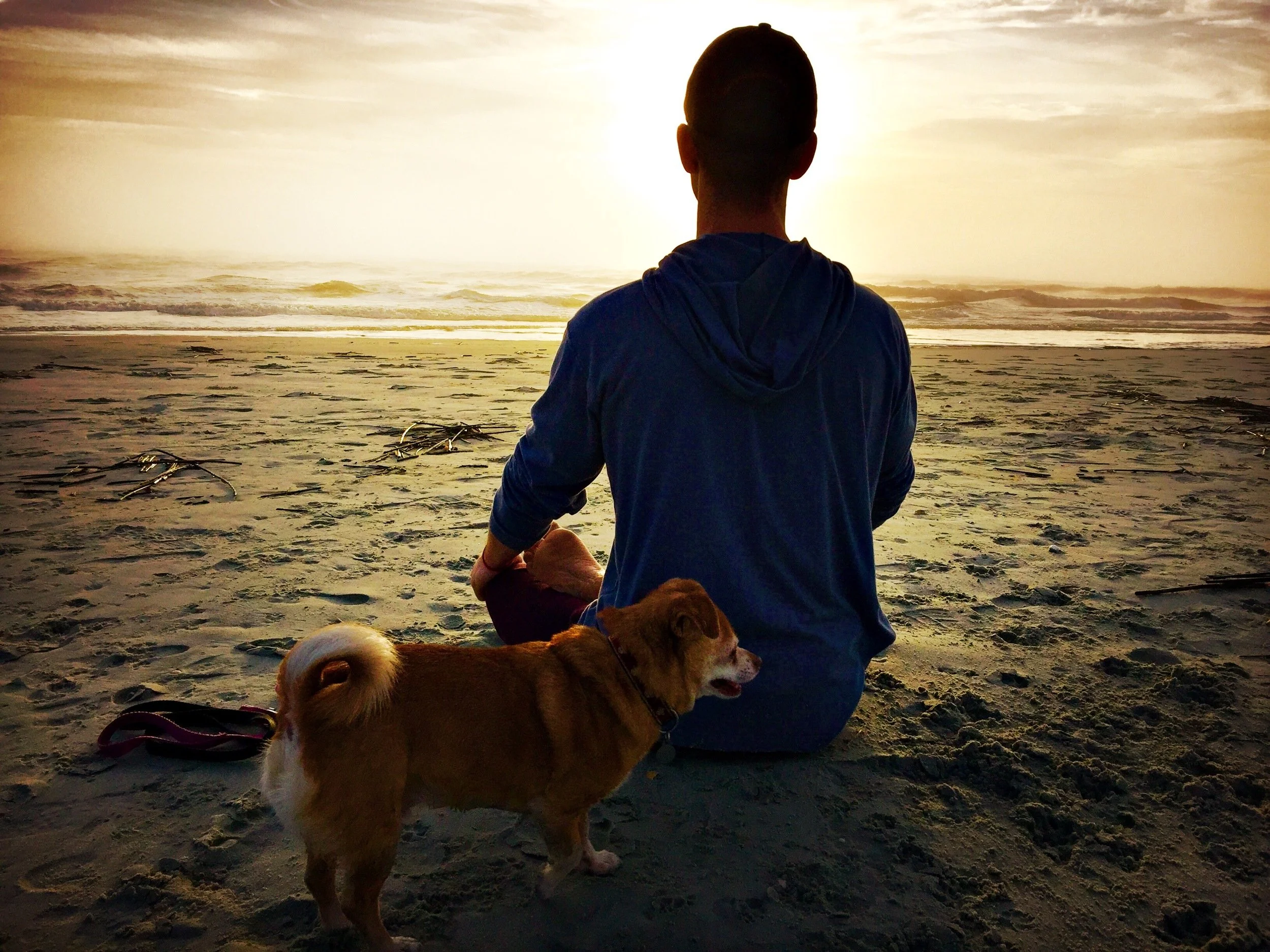
Jai India!
Birdsong by Rumi
Birdsong brings relief
to my longing
I'm just as ecstatic as they are,
but with nothing to say!
Please universal soul, practice
some song or something through me!
I’ve never really been able to “get into” poetry. I’ve tried. Many times, and with various motivations ranging from thinking that I “should” like it to hoping that I might feel something. And there have been a few occasions where it hit home. Like the time our dear friend Becky wrote a heartfelt poem and read it at our wedding. That was a special moment.
And then I met David Garrigues. He’s the teacher I followed to India and studied with this past month. He’s passionate about yoga and it fires me up. He reads poetry. And it fires me up. He read the one above when I first met him in November and it woke me up.
You see, I believe that even though we all come to yoga in our own time and in various ways, the one thing we all have in common is that we’ve done it before. In a previous life. Sharon Gannon (co-founder of Jivamukti Yoga) was the first person I ever heard say this. At the time I really didn’t know what to make of it, let alone believe it. But, as the years have passed and my experience has deepened, I have come to appreciate this concept and believe it to be true.
We live in a time when it has become increasingly challenging to connect with the source of our being. That source is most evident, most available, in the natural world – in places where it’s easier to find solitude, where it’s easier to touch nature. India offers this. Underneath all the craziness there’s a hum, the Om – the sound of the universe. It’s always there, no matter where we find ourselves, but it seems easier to access there.
Yoga plants in us a seed. This seed is much like those found in nature that take some energy to germinate and grow. Like that, our seed, sabija, is there waiting to take root and grow. “Sa” means “with”; and “bija” means “seed”, “cause” or “origin”. It is the Sanskrit term used to describe the first stage of samadhi or enlightenment, the 8th limb of Patanjali’s Ashtanga Yoga system and the ultimate goal of the yoga practice. This bija or seed has its origin in samskara, that being imprints left on the mind by objects we perceive and in the case of samadhi, the object of our meditative focus. Samskaras, if left unresolved, carry forward from one life to the next bringing our essence back to this material world. Knowing and accepting this as truth makes all the inexplicable events of our lives a lot less disconcerting because it suggests that some of our past actions are coming to fruition from existences we don’t even remember.
Yoga Sutra I.46 says, “ta eva sa-bijah samadhih”, which means “These samapatti (cognitive blending) states are known as sabija samadhi - cognitive absorption ‘with seed’.” In sabija samadhi we are experiencing something, including the very highest and sattvic (peaceful, pure, uplifting) things that can be experienced. The thinker and the thought remain; the experiencer and the experience, the Seer and the seen – all remain.
So, we can choose to practice yoga and we can choose to make that practice one of devotion, of longing to serve as a vehicle for the universal song. That’s the spark to ignite sabija and put us on the path toward ultimate liberation and the next stage of samadhi where there is no samskara, no seed.
I went to India with no expectations, only the intention to work hard, focus on my practice, devote my efforts to those who pay me the great honor of attending my classes, and be open to the teachings from David and from India herself. I left feeling satisfied that my intention carried me through.
Water No Get Enemy
What in your life have you really done on your own?
From every warm glint of light, and every rainy thundershower,
to every crisp autumn breeze, and oh so snowy winters day.
We are surrounded by a gathering of friends that know no enemies
Nor is any small unnoticed deed for naught.
Happy Leap Day!
Hello my dear friends, this as an ode to you:
What in your life have you really done on your own?
From every warm glint of light, and every rainy thundershower,
to every crisp autumn breeze, and oh so snowy winters day.
We are surrounded by a gathering of friends that know no enemies
Nor is any small unnoticed deed for naught.
Why then, do I find myself alone in thoughts,
drizzled in the haze of confusion and loneliness?
Isolated, afraid, and buried 'neath the mountain of memories
weighted by ten tons of regret.
Oh my how we do forget,
that it is not by our own power or will or desire that we live.
Our lives intertwined like a finely woven tapestry;
so many stories told and so many to be discovered yet.
My mother told me, at a young age, that no one would ever be my friend unless I made friends with myself first. Sri Dharma sometimes says that the Inmost Self is the best teacher, friend, and lover that we will ever know. I believe that both of those statements are so highly valuable and absolutely imperative in understanding how to live in this world, especially with the amount of divisiveness and violence that inundates our world. I had so much difficulty at a young age with the competitiveness and the cultural emphasis of individualism in combination with what I now realize is being very introverted (illustrations of introvert/extrovert experience). What if we dropped all the labels, though, and concentrated on the universally accessible quality of friendliness?
To be friendly means to be harmless, non-threatening/hostile, and deeply appreciative, nourishing, and supportive. If we look at nature, the supreme teacher who guides this planet and the all that has form, everything exists as a friend to one another. Some friends give their lives for each other, and some spare each other the pain of living beyond proper measure. There is a delicate balance at work that gently guides and fosters life and silently and invisibly moves everything in existence in ways the human mind has yet to fully comprehend. Ultimately, any kind of resistance is met, and through contraction or expansion, exchange takes place and nothing is ever lost or wasted. If you look at any plant, you can see this process in action every day. Each plant utilizes whatever nutrients are available for it to thrive, and everything is used in order to further its own life, but also to contribute to the entire world around itself. Every fallen leaf, every molecule of fresh oxygen, everything is given back to the whole. Why do we think that these fundamental principles in nature do not apply to our lives?
If we want peace, love, joy, happiness, success, wealth, or any pleasure in our lives we must recognize the value of friendliness, and friendship that extends beyond mere tolerance or cooperation. Arrogance, false pride, selfishness, hatred, jealousy, loneliness, and misery are the result of the impoverished attitude of scarcity and thoughtless competitiveness. Arrogance is believing that our own point of view is truth. Pride is misplaced when we mistake the fruits of our actions as a product of our own doing. Selfishness is born of the inability or unwillingness to be with everyone and everything else. Hatred comes from fear of the other (and belief that there is an other). Jealousy arises when we believe we are not given our due measure (we always have what we need, or are able to rely on one another for assistance). Loneliness is the self-perpetuating story of isolation in the environment where nothing exists apart from anything else. And misery is adding salt to a wound.
Let's be like water for each other. This whole world as we know it exists because there is water on the planet. Though many live without clean and clear water, all who live depend on it. When we clean out our minds and hearts of all that hides our genuine friendliness we can be a fresh spring for each other. Like Fela Kuti wrote Water No Get Enemy.
Classes:
I'll be subbing at Flow Yoga Center for the next few weeks. Every day is the day to practice.
For notifications of other classes or events at 1719 Lamont St. Sign up here
Monday 2/29
10:30 - 11:45a at Flow
5:15 - 6:15p at Flow
8:05 - 9:05p Breathing and meditation (Raja Yoga) at Flow
Tuesday 3/1
6:30-8p at Flow
Thursday 3/3
6:15 - 7:30p at Shaw Yoga
Friday 3/4
10:30 - 11:45a at Flow
11:50 - 12:20p Meditation by donation at Flow
Sunday 3/6
10:30 - 12p at 1719 Lamont St NW by donation
5 - 6:15p at Flow
May we remember the deep friendship of our own heart that unites our lives with the lives of all other beings. May our lives be a blessing to life itself, and may we gratefully accept whatever blessings are bestowed upon our own lives.
Om,
Aqeel
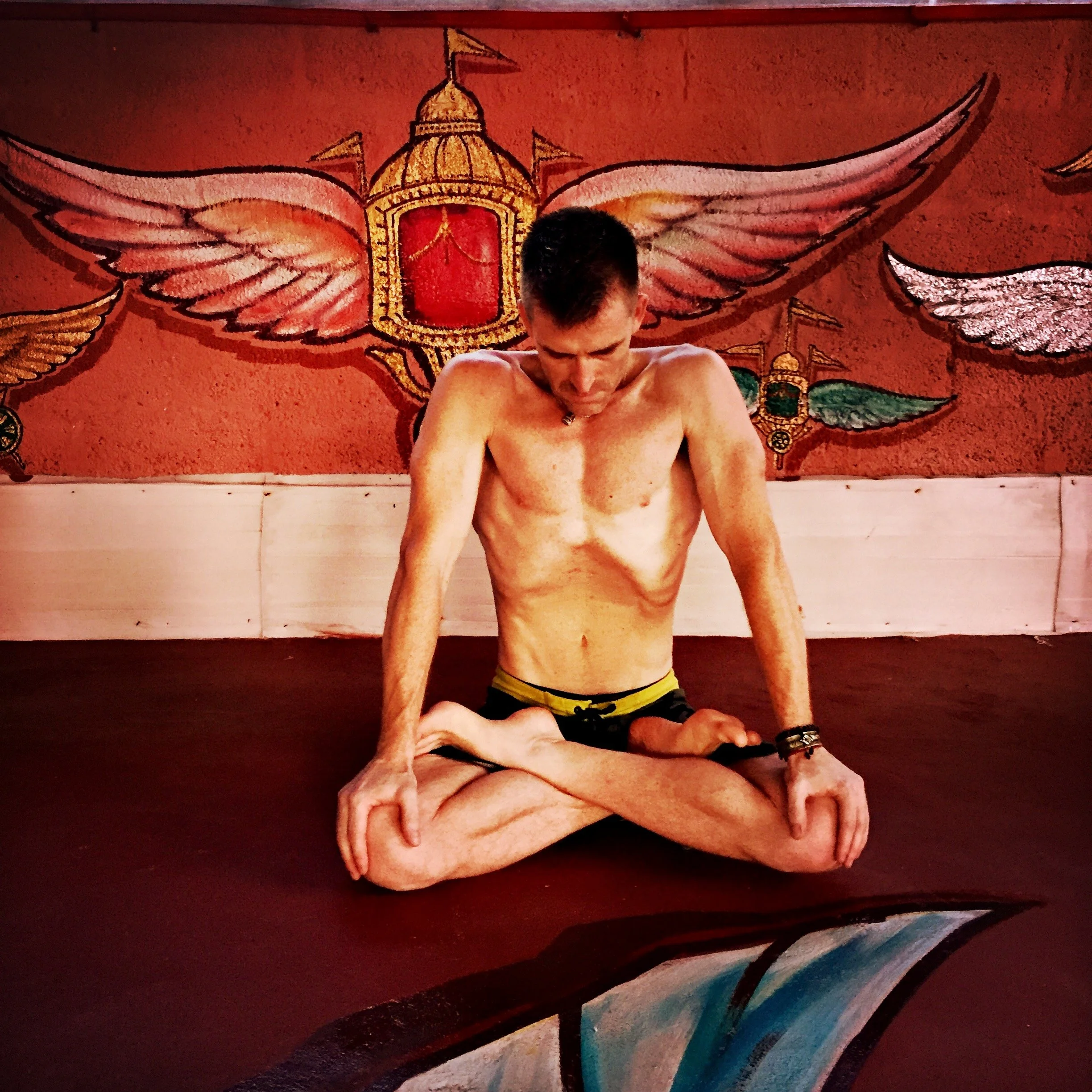
Gasping for air – fear and practice
I don’t think we were poolside for more than 5 minutes before my friend and neighbor, James (a year younger and much bigger), pushed me in. I don’t think he did it to be mean, it’s just something little boys do. I have never been so terrified in all my life. I sunk like a lead weight (or at least this is how I remember the event) into the deep end. I remember looking up and freaking out because I couldn’t breathe.
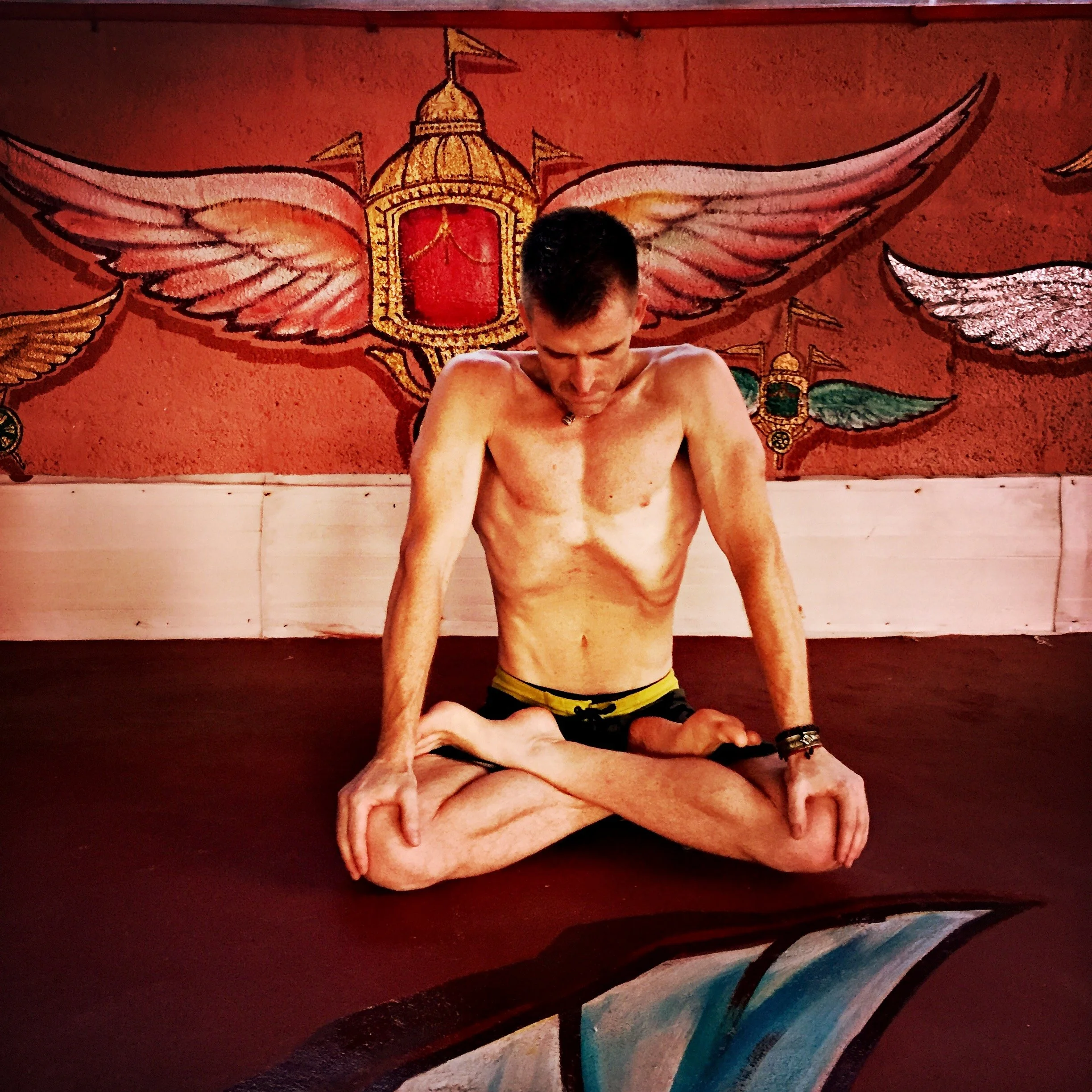
When I was 5 years old, like many parents in our small town Southern Indiana community, my parents enrolled me in swim lessons at the YMCA. I was tiny growing up. Seriously, tiny. My next younger brother Josh wasn’t particularly large, and even at 3 years my junior, we were frequently (like daily) assumed to be twins. And I wasn’t brave. I was scared of my own shadow. Growing up, Josh and I shared a bedroom. I would NOT step one toe out of bed in the dark without him going with me. Get the picture? Total weeny.
So, the idea of going to the Y for swim lessons was terrifying, but, as was the case fairly often in my formative years, I suppressed my fear as best I could and did as expected. I don’t think we were poolside for more than 5 minutes before my friend and neighbor, James (a year younger and much bigger), pushed me in. I don’t think he did it to be mean, it’s just something little boys do. I have never been so terrified in all my life. I sunk like a lead weight (or at least this is how I remember the event) into the deep end. I remember looking up and freaking out because I couldn’t breathe.
The lifeguard/swim teacher was in the water and covered with other boys hanging from his limbs (again, this is how I remember it). It seemed like eons passed before he put them on the side of the pool and came down to retrieve me. I don’t really remember what happened next, but needless to say, in my mind, I almost drowned. I couldn't“swim”, aka dog-paddle like the water was trying to eat me, until I was 13 years old.
And you know what? For the last 14 years, this event has surfaced within me pretty much every time I do urdhva dhanurasana (wheel) and now, kappotasana (current bane of my existence)?!
Look out. First time I drop back I may as well be plunging into that deep end again.
FEAR. It’s huge. It’s a hindrance to yoga – an obstacle to LIFE. Little by little I am overcoming this, my albatross of hindrances. That’s what it takes. Confronting the aspects of ourselves that prevent us from gaining an understanding of who we are. Going headlong into the deep end and appreciating the moment when we come up on the other side.
I am grateful to James because, at nearly 46 years old, I am gaining a better appreciation for the samskaras (patterns, tendencies, predispositions) in my life that are related to this one seminal event. It’s making me stronger, it’s allowing me to do things like quit my secure government job and devote myself to my true passion – connecting with my higher Self and drudging up the courage to share it with all of you. To take the sacred seat of a yoga teacher. To be the most authentic version of myself I can be – all the time, not just when I’m at Flow.
One of the tools that is fundamentally changing, for the better, my ability to go in, do the inner work, harness my breath (instead of fight against it and panic when it is hard to find) and come out the other side, is PRANAYAMA – the 4th limb of Patanjali’s Ashtanga Yoga system. Prana – our lifeforce represented by breath; and yama – to control or restrain – the process of gaining mastery of one’s own most precious body and spirit function.
It's truly fascinating to explore the limits of my body and mind by consciously, purposely manipulating the breath and gaining confidence in my ability to BREATHE - even when the limits are being pushed….
*Join me on April 23rd at 11:00 am to begin or further your own use of the 4th limb – pranayama.
Help YourSELF…
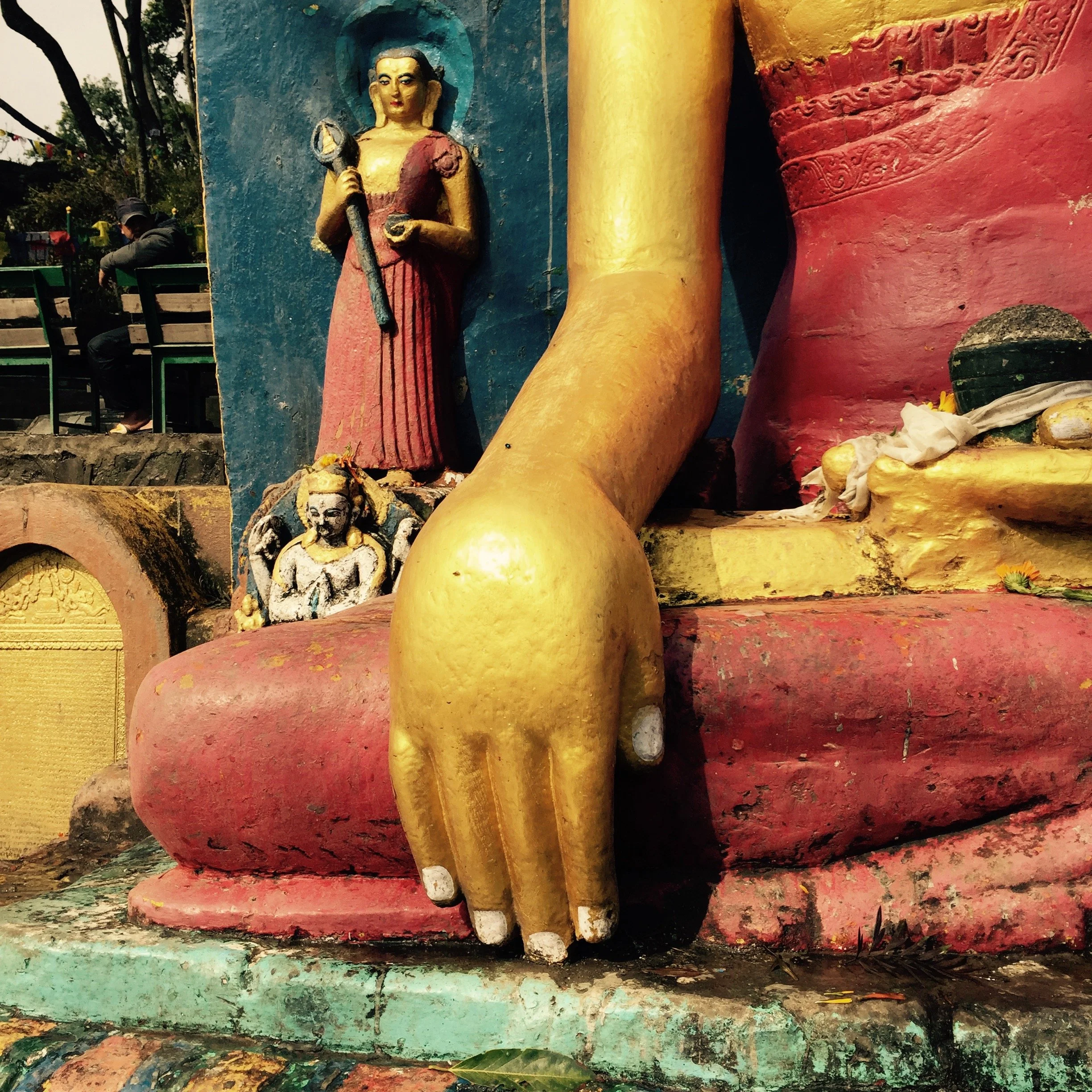
During this last round of Flow Teacher Training as I was working my way through instruction on how to assist students in various yoga asanas (poses), one of the trainees asked a question that I’d not been asked before. She said, “Cory, is it possible to assist yourself?”. I didn’t have to ponder the question long, the answer was and is an emphatic “yes!”
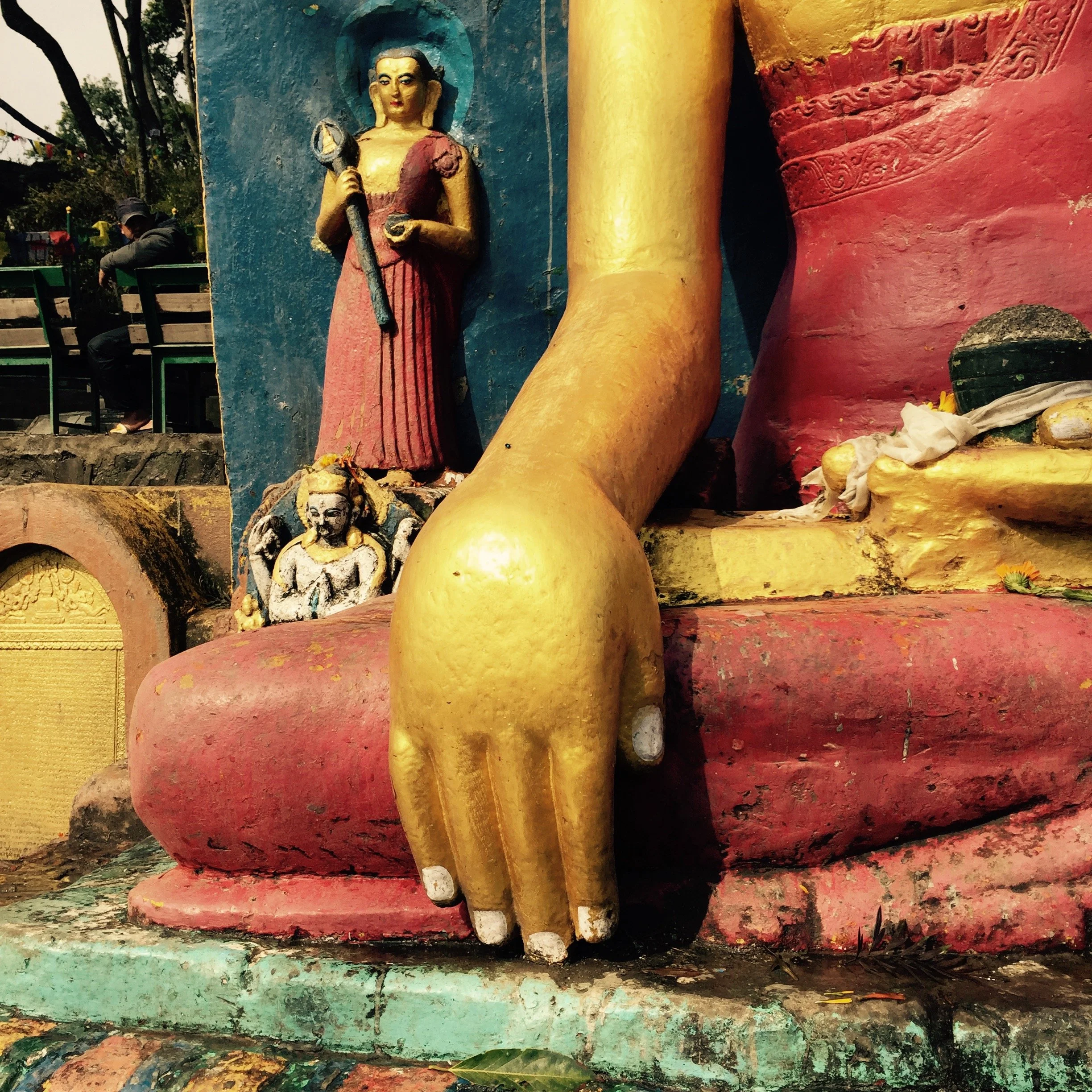
During this last round of Flow Teacher Training as I was working my way through instruction on how to assist students in various yoga asanas (poses), one of the trainees asked a question that I’d not been asked before. She said, “Cory, is it possible to assist yourself?”. I didn’t have to ponder the question long, the answer was and is an emphatic “yes!”.
Physically assisting practitioners into poses is a passion of mine and is an important focus of the JIvamukti method. I see it as an extension of my ability to teach because in addition to providing verbal instruction, it allows for 1:1 interaction to find deeper expression of the poses – the asanas. The word “asana” means “seat” and is the 3rd limb of the Ashtanga 8-limb system provided to us by a sage named Patanjali over 2000 years ago.
At its most basic level this yoga asana practice that we do is for one reason, to develop the ability to still our body and our mind and take a seat (the ultimate asana) that allows us to eliminate physical movement as much as possible. That stillness is conducive to cultivation of the 6th, 7th and 8th limbs – dharana (concentration, connecting with an object of focus); dhyana (meditation, merging with that object of focus) and finally, samadhi (the ultimate state of yoga that is often described as “bliss” wherein we move beyond our body and mind to connect with our higher SELF).
Looking at it from a slightly different perspective, we do the yoga asana practice to develop and maintain a healthy, able body that supports engagement in the 1st and 2nd limbs – yama and niyama, the ethical principles of yoga and of life itself. Sri K Patthabi Jois, the founder of Ashtanga Vinyasa Yoga, was known to say that asana is the 1st limb, because developing our most healthy, able body helps us to effectively practice the yamas and niyamas. Yama means “restraint” and Patanjali listed 5 ways in which the yogi is to practice restraint: ahimsa (don’t harm other beings with your thoughts, words or deeds); satya (be truthful); asteya (don’t steal, including our most precious commodity – time); brahmacharya (don’t misuse sex); and aparigraha (don’t take more than you need). Niyama means “observance” and these are practices undertaken to care for yourself. The niyamas include: sauca (cleanse and purify the mind and body); santosha (cultivate contentment); tapas (self-discipline, work, internal FIRE); svadyaya (self-study, contemplation of your spiritual Self); and ishvara pranidhana (devotion, offering your efforts and the results of your efforts to something higher than your self).
So, when I was asked if it’s possible to assist one’s self, my affirmative answer was based upon the context of cultivating a capable, uplifted, supported seat that is in some way aligned with all of the above aims. Each yoga pose can serve to tap into our internal, intrinsic being to create an energetic image of our self and Self. For example, when you take Warrior 2 it offers strength, readiness and confidence to your self, while raising your consciousness to reach out and connect with your higher, larger than life, Self. This happens with greatest impact when the pose is grounded, stable, steady, energetically uplifting and whole because such an established foundation positions you to experience these elevated qualities and let go of doubts and insecurities. There are actions we can take, ranging from subtle (relaxing the eyes) to gross (repositioning a bent knee) that will deepen and affirm this experience and allow us to explore further into our own Self.
The next time you step to the mat, allow yourself the creative latitude to assess your seat, your connection to the earth, and begin to explore the infinite possibilities that lie within you. Help yourself connect with yourSELF!
*To investigate this self-assisting concept further with me, check out my workshop – “Help Your SELF” on April 9th at 10:30 am.
Stairway to Heaven
Life is the teaching you what you need to learn. Are you listening?
How to learn from life, reflections on what it means to be a student, and Led Zeppelin.
A recent online discount for a $19.99 yoga teacher certification program came at a fortuitous time because the topic for this week is an often glossed over aspect of most wisdom traditions in the West; the teacher-student or guru-sisya relationship.
Greetings everyone,
A recent online discount for a $19.99 yoga teacher certification program came at a fortuitous time because the topic for this week is an often glossed over aspect of most wisdom traditions in the West; the teacher-student or guru-sisya relationship. Like most folks, when I initially started to dive into the yoga tradition with vigor and enthusiasm, I was disheartened by an abundance of resistance to having a teacher. When investigating many yoga lineages there are numerous cases of abuses of authority, scandal, and no shortage of "drama" or intrigue. What follows is not a condemnation of anyone's behavior, or moral scruples, nor is this making the claim for what makes a teacher/Guru legitimate. Frankly, all resistance to a teacher/teaching, all judgement, and all claims about legitimacy are all rooted in arrogance, egotism, and ignorance. The reality of the teacher-student, guru-disciple, relationship is that both parts are integral to the whole of a movement in the nature of human experience. Neither teacher nor student is incomplete in themselves, but there is a critical exchange that creates the sense of purpose in the lives of both participants, and human life is meaningless without duty or purpose. Rather than extol the virtues of what an ideal teacher ought to be, we would profit from asking ourselves, "Am I a good student?"
I am reminded of a beautiful experience with Bernadette Duthu; an amazing student of Sri Dharma, and one of my mentors during the 500 and 800hr teacher trainings. She left a deep impression on my life in such simple and clear ways, and I am so grateful I was able to be in her presence in the last portion of her life. You can read about her on the Dharma Yoga Center's web page. Among the beautiful things I remember about her was an experience during one of Dharma's afternoon class where he was getting frustrated because no one was following his instructions. She later told our small group that she was watching how kind and loving Dharma was with the students despite his frustration because he understands that, "No one wants to be corrected." She was so, so, so right. Not only is Sri Dharma even more compassionate with us because he understands that the mind has no desire to realize that it is not 100% correct about everything, but also that it is extremely rare that anyone would go out of their way to be corrected. Such an exceptional person is the ideal student. Someone who is willing to see everything in life as an opportunity to realize truth, however inconvenient, unpleasant, or un-gratifying (humiliating) it might be is surely in a supreme condition to learn.
The greatest of all teachers is our life. It is not something outside of us but is expressed in our interactions with the world in which we live. The activities we choose to engage in, the relationships we choose (consciously or unconsciously), and our world-view are all reflections of a deep inner relationship with our own life. The value we place on things, people, places, etc. are all outward expressions of our value for our own life. Seen this way, everything is teaching us constantly; what is seen as the tiniest joy or the greatest inconvenience, from the person who gives us a sideways glance to our closest relationships, the teacher is in everyone everywhere if we are willing to listen. At the same time there are inexplicable forces in life that silently move things in and out of our lives that reveal all the places where we hide from ourselves. Another incredible student I met during those trainings, Alan Haras/Bhakta Das, says it takes real courage to learn from life. He writes:
Life communicates to us through our entire being, as well as through the entire creation. Our ability to learn the language of life awakens to a deeper degree when we develop the ability to listen not only to our thoughts, but also to our body, feelings, impulses/desires, imagination and intuition.
It should also be said that as a society, we have largely forgotten what the learning process is. There is a stigma around learning that has made it uncomfortable, and the expectation that we should know everything already needs to be addressed.
To learn:
1. be aware that there is something unknown
2. pay attention to the lesson
3. make friends with the unknown (the shift between unknown or unfamiliar, to familiar or known)
4. reflect on the experience so the lesson is not repeated
5. have fun
Gratefully, we have a whole life (or more) to live and learn from life. My wise friend Amanda once told me that Led Zeppelin is the cure for everything, especially when things get heavy, and I'm inclined to agree. Stairway to Heaven is one of my favorite songs:
"Yes, there are two paths you can go by
But in the long run,
There's still time to change the road you're on."